Mututho lifts lid on Sh60million plot he says was used to oust him over alcohol war
In a detailed statement, the former lawmaker alleged that as his fight against alcohol abuse intensified, his political opponents and business interests in the sector viewed his continued presence in parliament as a threat.

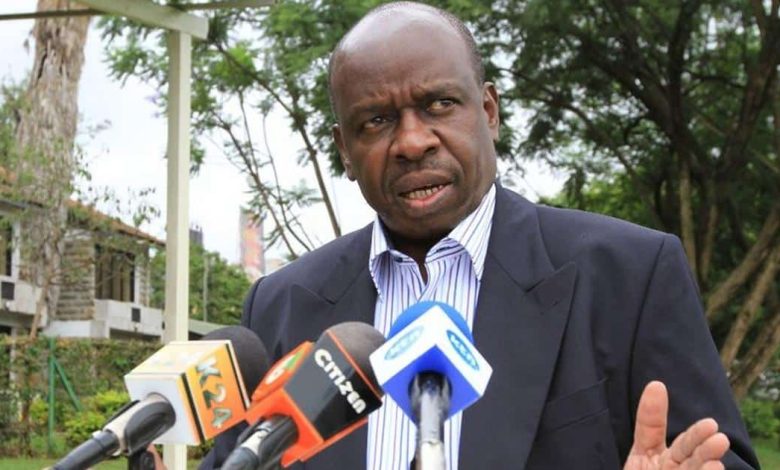
Former Naivasha MP John Mututho has revived one of the most contentious episodes of his political career, alleging that powerful interests in Kenya’s alcohol industry mobilised millions of shillings to engineer his defeat in the 2013 General Election after he took on manufacturers, bar owners and traders dealing in illicit and sub-standard alcohol.
Mututho, who became synonymous with the tough alcohol-control measures popularly known as the “Mututho Laws”, claims that a coordinated campaign involving powerful commercial interests, local administrators and police officers was deployed on the eve of the election to deny him another term in Parliament.
In a detailed statement, the former lawmaker alleged that as his fight against alcohol abuse intensified, his political opponents and business interests in the sector viewed his continued presence in Parliament as a threat.
“On the eve of the 2013 National Elections, a contractor was assigned a specific duty: to make sure that I, Hon. John Mututho, was out of Parliament—by whatever it takes,” Mututho claimed.
He alleged that the individual was paid Sh60 million for the assignment at a meeting in Naivasha, where the transaction was allegedly witnessed by several people.
Mututho then listed what he described as contributions towards the operation, naming a major brewer as having provided Sh55 million, a local brewer Sh35 million and the Bar Owners Association Sh5 million.
The figures cited by Mututho, however, total Sh95 million rather than the Sh60 million he initially identified as the payment to the alleged contractor, raising questions about whether the larger amounts represented separate contributions, an overall campaign fund or figures requiring further clarification.
The former MP did not provide documentary evidence in the statement to substantiate the alleged payments, nor did he identify the companies or individuals he accused of financing the operation.
Those allegations would require independent investigation and verification.
Cash, chiefs and police
Mututho claims the alleged operation moved into high gear on election eve, when money was distributed to voters in Naivasha in an effort to influence their choices at the ballot.
He alleges that local chiefs and police officers, including an Inspector of Police, participated in the distribution.
According to the former MP, he encountered some of the officers at a launch in Naivasha while spending the night at his campaign centre.
“They were there to plant a system—Myanmar’s former GSM communication system—to manipulate the election results,” he claimed.
The reference raises a potentially serious question about the security of election communications and the technology allegedly deployed during the 2013 polls. Mututho’s statement does not, however, provide technical evidence showing how such a system was supposedly used, whether it was connected to the official electoral infrastructure or whether it actually altered any results.
The allegation therefore presents a significant area for independent scrutiny rather than an established account of how the election was conducted.
Mututho says the operation also involved a carefully crafted message designed to persuade voters that there was no need to return him to Parliament because he had already secured a Cabinet position under President Uhuru Kenyatta.
According to his account, voters were allegedly told:
“Mututho is a wonderful man. His Excellency, President Uhuru Kenyatta, has appointed him a Minister. Therefore, no need to elect him to Parliament. Instead, vote for the party candidate.”
“That was done. Faithfully. By the people of Naivasha. Believing the lie. That is how I lost my seat,” he said.
The allegations, if independently substantiated, would raise questions extending beyond Mututho’s personal political defeat to the broader issue of illicit campaign financing, voter bribery, abuse of public office and possible interference with the electoral process.
They would also raise questions about whether commercial interests in the alcohol industry sought to influence political representation in an area where Mututho had built his reputation as one of the country’s most vocal campaigners against harmful drinking.
The Mututho factor
Mututho’s political confrontation with the alcohol industry was central to his public profile.
As an MP, he championed tougher restrictions on the sale and consumption of alcohol, particularly low-cost and illicit brews that had been blamed for addiction, deaths and social problems in parts of the country.
The measures associated with his name became widely known as the Mututho Laws and triggered fierce debate between public-health advocates, consumers, manufacturers and bar owners.
His campaign put him at odds with sections of the alcohol trade, particularly over regulations governing the hours and manner in which alcoholic beverages could be sold.
It is against this background that his latest allegations acquire a broader political significance.
Mututho is effectively alleging that commercial interests targeted him because of his legislative campaign, turning the 2013 Naivasha parliamentary contest into a battle between political power and an industry with substantial financial interests.
But nearly 13 years after the election, the claims raise an obvious evidentiary challenge.
Any serious investigation would have to establish the identities of the alleged financiers, trace the claimed payments, identify the alleged contractor and establish whether money actually reached voters.
Investigators would also need to determine whether chiefs or police officers participated in political activity, whether any communications technology was deployed to interfere with the electoral process and whether the alleged operation had any measurable effect on the election outcome.
Fresh alcohol tragedy reopens old wounds
Mututho’s revelations come as concern over alcohol abuse has again been reignited by the death of a young man following an alcohol-drinking competition in Turi, Molo.
Mututho condemned the death and vowed to pursue legal action against those he believes were responsible.
“I am deeply saddened and outraged by the tragic and senseless death of a young man at a drinking competition in Turi, Molo,” he said.
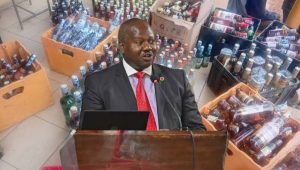
He identified the deceased as Mr Ndungu and claimed that the young man died within about 30 minutes of consuming an excessive amount of alcohol.
Mututho accused the organisers, bar owners, sponsors and county authorities of failing to prevent the incident despite the dangers associated with excessive drinking.
“A young man, Mr. Ndungu, full of life, full of promise, died within 30 minutes of consuming an excessive amount of alcohol—while a crowd cheered, a bar owner profited, sponsors looked on, and the county government that licensed that establishment did nothing to stop it,” he said.
Mututho rejected the characterisation of the incident as an accident.
“This was not an accident. This was not a competition. This was a crime,” he declared.
He said everyone who participated in the incident, whether through organising, sponsoring, licensing or allegedly ignoring the circumstances, should face accountability if investigations establish criminal wrongdoing.
DCI urged to open probe
The former MP has called on the Directorate of Criminal Investigations to launch an immediate investigation into the Molo incident and identify those responsible.
He has also called on the Nakuru County Government to revoke the bar’s licence and undertake a review of alcohol licences across the county.
Mututho further wants the bar owner, sponsors, organisers and the manufacturer of the alcohol consumed during the competition investigated and, where evidence supports it, prosecuted.
He has pledged to provide legal support to the affected family to enable it to pursue available remedies.
The renewed intervention places Mututho back at the centre of Kenya’s long-running battle over alcohol regulation, but his latest allegations also reopen an unresolved question about the price politicians may pay when they confront powerful commercial interests.
The allegations also come at a time when Kenya continues to grapple with illicit alcohol, unsafe drinking practices and the regulation of a lucrative industry whose interests intersect with public health, taxation, employment and politics.