Fuel hike spark audit demands as MAK questions G-to-G deal, Gachagua alleges campaign fundraising plot
However, MAK, in a statement issued on October 14, 2026 demanded a detailed explanation of the calculations underpinning the new prices, arguing that the increases would raise transport costs and potentially drive up fares and prices of essential commodities.

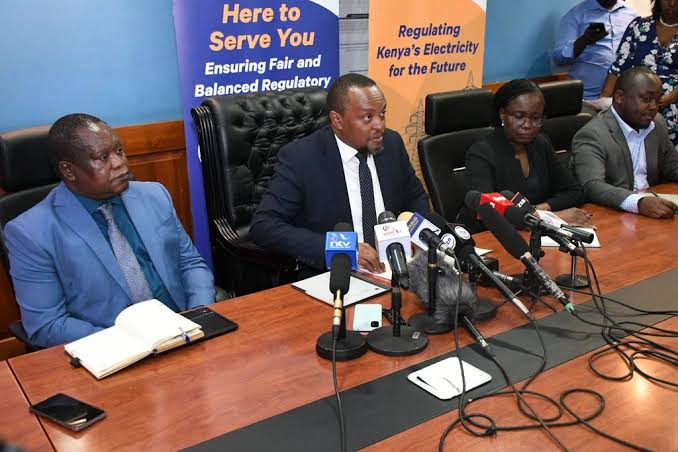
The latest fuel price increases have triggered demands for an independent audit of petroleum pricing and the government-to-government (G-to-G) import arrangement, with the Motorists Association of Kenya (MAK) questioning whether consumers are receiving value for money.
The Energy and Petroleum Regulatory Authority (EPRA) increased petrol prices by Sh12.93 per litre, diesel by Sh9.90 and kerosene by Sh28.49 in its latest review, effective October 15 to November 14, piling further pressure on households, motorists and businesses already grappling with the high cost of living.
In Nairobi, super petrol will retail at Sh226.96 per litre, diesel at Sh227.76 and kerosene at Sh219.87. In Mombasa, petrol will cost Sh223.81, diesel Sh224.61 and kerosene Sh216.71 per litre.
EPRA attributed the increases to factors affecting petroleum costs, including developments in international markets amid heightened tensions in the Middle East. The government’s decision to halt the fuel subsidy that had been in effect since the April pump-price cycle has also contributed to the adjustment.
However, MAK, in a statement issued on October 14, 2026 demanded a detailed explanation of the calculations underpinning the new prices, arguing that the increases would raise transport costs and potentially drive up fares and prices of essential commodities.
“This is not a minor adjustment to an economic commodity. It is a direct assault on the productive capacity of the Kenyan economy,” the association said.
The association particularly questioned why kerosene recorded the steepest increase despite having the lowest reported percentage rise in landed costs.
According to MAK, landed costs increased by 11.81 per cent for petrol, 11.32 per cent for diesel and 9.41 per cent for kerosene. Pump prices, however, rose by 6.04 per cent, 4.54 per cent and 14.89 per cent, respectively.
“How does the product recording the lowest percentage increase in landed costs suffer the highest percentage increase at the pump?” MAK asked.
The association acknowledged that the figures alone did not establish an error, noting that pump prices also incorporate taxes, levies, distribution costs, margins and possible stabilisation adjustments.
It nevertheless called on EPRA to publish product-by-product pricing worksheets detailing international benchmarks, exchange rates, freight, insurance, landed costs, taxes and other charges.
MAK also challenged the explanation that the kerosene increase was partly intended to narrow the price gap between kerosene and automotive fuels to discourage fuel adulteration.
“This is an extraordinary admission of regulatory failure,” it said, arguing that authorities should strengthen surveillance, fuel testing and prosecution of dealers instead of shifting the burden to households dependent on kerosene for cooking and lighting.
G-to-G arrangement under scrutiny
MAK also demanded a comprehensive independent audit of the G-to-G petroleum import arrangement, questioning whether it had delivered the promised benefits of price stability, competitive procurement and reduced foreign-exchange pressure.
“Three years later, the ordinary motorist is entitled to ask: where are the promised benefits?” the association said.
It wants the government to disclose supplier premiums, financing costs, freight charges, foreign-exchange exposure and any measurable savings generated by the arrangement compared with competitive procurement.
The association further called for publication of the Petroleum Development Levy Fund’s receipts, disbursements, stabilisation balances and product-specific allocations.
It urged Parliament, the Auditor-General and the Competition Authority of Kenya to scrutinise petroleum procurement and pricing, warning that consumers should be able to distinguish international market pressures from the effects of domestic policy decisions.
Gachagua alleges political motive
The price increases have also drawn political criticism from former Deputy President Rigathi Gachagua, who has accused President William Ruto of exploiting fuel price adjustments to raise money for political bribery ahead of the August 2027 General Election.
Gachagua, the Democracy for the Citizens Party (DCP) leader, has alleged that the government is facing mounting public discontent over the rising cost of living, corruption, abductions and alleged extrajudicial killings.
He has questioned the government’s economic management, suggesting that higher fuel prices could be used to generate resources for political mobilisation ahead of the polls.
The allegations add a political dimension to growing concerns over the impact of fuel costs on transport operators, businesses and ordinary households.
MAK warned that transport operators could struggle to honour existing freight contracts as fuel expenses rise, with the additional costs potentially passed on to consumers.
The association said it would consult members and stakeholders on further lawful civic action, including peaceful demonstrations, if its concerns remained unanswered.
“Kenyans are not demanding free fuel. They are demanding fair prices, open competition, transparent calculations and an end to the political management of a commodity upon which the entire economy depends,” MAK said.