IEBC rolls out blueprint for 2027 General Election
Chief Justice Martha Koome, who presided over the launch as chief guest, described the unveiling of the plans as a significant milestone in Kenya's democratic journey and an opportunity to strengthen electoral governance and citizen participation.

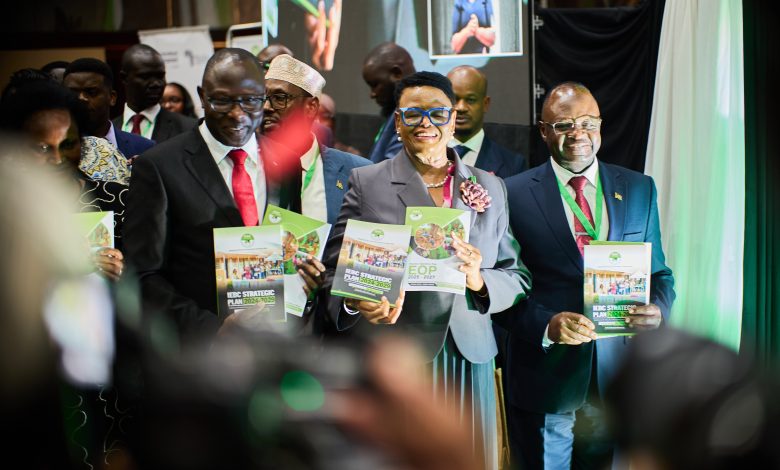
Preparations for Kenya’s 2027 General Election gathered momentum this week after the Independent Electoral and Boundaries Commission (IEBC) unveiled its Strategic Plan 2024–2029 and Election Operations Plan (EOP) 2025–2027, setting out a roadmap aimed at restoring confidence in the country’s electoral process.
The plans, launched in Nairobi on Wednesday, June 24, 2026 under the theme “Inclusion and Participation in Deepening Democracy in Kenya,” outline the Commission’s priorities for the next five years, focusing on strengthening electoral management, increasing citizen participation, promoting equitable representation and enhancing institutional resilience.
The launch comes as political activities ahead of the 2027 General Election intensify, with President William Ruto expected to seek a second term amid growing opposition pressure.
IEBC Chairman Erastus Ethekon said the commission was determined to ensure the next election is remembered for professionalism, preparedness and fidelity to the constitution, noting that credible elections are the result of deliberate planning rather than chance.
“When the story of the 2027 General Election is written, we want Kenyans to say that their Electoral Commission prepared diligently, acted impartially, rose to the occasion and faithfully discharged its constitutional mandate,” Ethekon said.
He said the Strategic Plan demonstrates the Commission’s commitment to early planning, transparency, accountability and institutional preparedness. According to Ethekon, lessons drawn from previous elections, court decisions, post-election reviews, recommendations by observer missions and consultations with stakeholders have informed the reforms and operational improvements contained in the newly launched documents.
The IEBC boss assured Kenyans that the Commission would safeguard the integrity of the electoral process, protect the secrecy and sanctity of every vote and uphold the sovereign will of the people.
Ethekon stressed that the success of elections cannot be left to the Commission alone, describing democracy as a shared responsibility that requires commitment from political parties, candidates, state institutions, the media, civil society organisations, development partners and citizens.
“The ballot remains the highest expression of the sovereign will of the people and must be protected collectively, consistently and courageously,” he said.
Chief Justice Martha Koome, who presided over the launch as chief guest, described the unveiling of the plans as a significant milestone in Kenya’s democratic journey and an opportunity to strengthen electoral governance and citizen participation.
She observed that elections are not isolated events held on polling day but continuous processes that require strong institutions, adequate resources, effective planning and a supportive legal framework.
Koome welcomed the Commission’s commitment to strengthening electoral laws and regulations, saying harmonisation of election-related legislation was necessary to address legal gaps exposed during previous electoral cycles and provide greater certainty to stakeholders.
She underscored the importance of clearly defined electoral timelines, effective dispute resolution mechanisms and transparent election management processes.
The Chief Justice also highlighted emerging concerns surrounding the use of technology in elections, calling for robust legal safeguards on data protection, cybersecurity and accountability in electronic electoral systems.
“The Commission must provide clear guidance on the deployment, management and auditing of electoral technologies to ensure innovation strengthens rather than undermines public confidence in elections,” she said.
Koome further praised the Commission’s emphasis on inclusion, noting that democracy can only thrive when women, youth, persons with disabilities, minority communities and other marginalised groups are able to participate meaningfully in political processes.
The Strategic Plan identifies four key priorities that will guide the Commission’s work over the next five years: effective election management, citizen engagement and participation, equitable representation and strengthened institutional governance.
Complementing the strategy is the Election Operations Plan 2025–2027, which outlines the activities, timelines, responsibilities and milestones intended to steer preparations for the 2027 General Election.
With Kenya’s electoral history marked by disputed presidential contests, violence and prolonged legal battles, the Commission hopes the early planning framework will help deliver a credible, peaceful and widely accepted election in 2027.