Six years of agony: Family Seeks Sh100million after mother dies following childbirth
Aga Khan University Hospital was fined Sh1 million over lapses in the care of Valarie Cherono Misoi, whose husband says a joyful moment of welcoming their second child turned into a devastating loss.

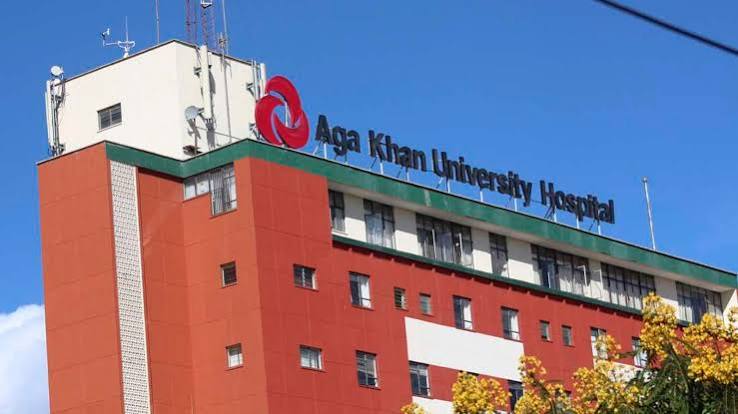
For Lawrence Oyaro, the birth of a child should have been one of the happiest moments of family life. Instead, the arrival of his second child in August 2019 was followed by a tragedy that has left him and his family grappling with grief, unanswered questions and a prolonged fight for accountability.
His wife, Valarie Cherono Misoi, died shortly after giving birth at Aga Khan University Hospital in Nairobi, turning what should have been a new beginning into a painful chapter that the family has struggled to close six years later.
Now, the Kenya Medical Practitioners and Dentists Council (KMPDC) has found the hospital culpable of professional lapses in Misoi’s care and management, imposing a Sh1 million fine and ordering changes to its medical protocols.
But for the bereaved family, the disciplinary action is only one part of a much longer battle. Through their lawyers, Githogori and Harrison Associates Advocates LLP, they are seeking Sh100 million in compensation over the death of the 27-year-old mother, whose life was cut short when her young family was expecting to begin another chapter together.
The council’s Disciplinary and Ethics Committee, in Disciplinary Case No. 70 of 2022, directed the hospital to review and update its medical protocols, strengthen maternal and perinatal death surveillance procedures, and enter mediation with the family in pursuit of an amicable settlement.
The council upheld the committee’s findings in January 2026, directing the hospital to demonstrate compliance and report the outcome of mediation within 90 days.
The ruling offers the family an important measure of regulatory accountability. However, it does not determine the amount of compensation payable, which remains the subject of a separate claim.
A young mother’s final days
Misoi had received antenatal care at the hospital during her pregnancy in 2019 under Dr Mukaindo Mwaniki.
According to testimony presented to the committee, the couple had been satisfied with the care she received and opted to return to the same facility for the delivery of their second child.
But days before giving birth, she presented with symptoms that would later become part of the inquiry into the circumstances surrounding her death.
On August 18, 2019, Misoi visited the hospital complaining of diarrhoea and abdominal pain. She underwent investigations and was advised to return for review.
Dr Mwaniki told the committee that he examined her and noted an elevated heart rate, with symptoms suggesting a possible infection. A sample was collected for investigation, and she was counselled on danger signs and advised to return within three days.
According to his testimony, she did not attend the scheduled review.
The doctor told the inquiry that the symptoms were not considered an emergency requiring antibiotics before the culture results became available. He nevertheless acknowledged that her gastrointestinal complaints and fatigue could have warranted closer assessment for a systemic infection.
He also confirmed that Misoi’s haemoglobin level had fallen from 12.6 grams per decilitre in January 2019 to 11 grams in July and eight grams at readmission.
Dr Mwaniki maintained that his role was limited to antenatal care and that he did not manage her during delivery, initial discharge or subsequent readmission.
These details became part of the evidence examined by the disciplinary committee as it considered whether the hospital had exercised reasonable care and skill in managing the patient’s condition.
From childbirth to a family’s nightmare
Oyaro told the inquiry that his wife went into labour on the evening of August 27, 2019, and delivered a baby girl through normal vaginal delivery in the early hours of August 28.
The birth should have marked the beginning of another chapter for the couple and their children. Instead, concerns about Misoi’s health continued.
Oyaro said he was informed that his wife had sustained a tear during delivery, which was stitched and described to him as minor.
She was discharged on August 29 after complaining of leg pain and undergoing investigations for a possible blood clot, according to testimony recorded in the ruling.
The family’s complaint centred on whether the hospital had exercised appropriate care in managing her condition and whether lapses in treatment contributed to an infection that ultimately led to her death.
The committee examined the complaint alongside medical records, autopsy and medical reports, statements from the parties and evidence presented during the inquiry.
It found the hospital culpable for lapses in care and management. However, it absolved Dr Nyawira, Dr Umar and Dr Obare, finding that they had no case to answer.
Dr Gichuki was admonished over what the committee described as a lack of situational awareness and failure to consult senior team members promptly, contributing to delays in critical care management.
The findings provide a regulatory assessment of the hospital’s handling of the case, although the family’s civil claim must still address the compensation sought.
The price of a life lost
In their demand for compensation, the family’s lawyers argue that the loss extends beyond the immediate circumstances of Misoi’s death to the pain, suffering and financial consequences borne by those she left behind.
Misoi was 27 and earning a net monthly salary of Sh165,000 at the time of her death. Her family is seeking compensation under several heads of damages.
The lawyers have proposed Sh27.22 million in general damages for pain, loss and suffering, Sh53.46 million for lost years, Sh17.82 million for loss of dependency and Sh1.5 million in special damages.
The figures reflect the family’s assessment of the loss occasioned by her death. They remain proposals in the claim, not an award made by the KMPDC.
To support their assessment, the lawyers have cited a separate judgment in Naila Gureshi v Aga Khan University Hospital, which they say involved an award of Sh157 million.
The hospital’s advocates had previously proposed Sh10,000 for pain and suffering, Sh10,000 for loss of expectation of life, Sh8.48 million for loss of dependency and Sh1.5 million in special damages, highlighting the substantial gap between the parties’ positions.
For the family, the dispute is not simply about figures. It is also about securing an outcome after years of waiting for the circumstances surrounding a young mother’s death to be addressed.
Their lawyers have raised concern over the time taken to resolve the matter and urged the hospital to engage in mediation and compensation discussions within 60 days to avoid further litigation costs.
Beyond the fine
The KMPDC has ordered the hospital to review and update its protocols to ensure compliance with emergency obstetric and neonatal care standards. The revised procedures must be communicated to staff and medical contractors, with the hospital required to demonstrate compliance to the regulator.
It must also implement and monitor Maternal and Perinatal Death Surveillance and Response processes, which identify factors contributing to maternal and perinatal deaths and recommend corrective action.
The committee warned that failure to comply could attract further regulatory orders.
For Oyaro and his family, however, institutional reforms cannot restore the wife and mother they lost. Nor does the Sh1 million fine settle the separate question of compensation.
Six years after Misoi’s death, the family is still seeking a resolution to a tragedy that began around the birth of a child and ended with a young mother gone.