Fears as US warn against Nigeria travel, pulls non-essential Embassy staff

The United States has urged its citizens to reconsider travel to Nigeria and authorised the departure of non-emergency government staff and their families from its embassy in Abuja, citing a deteriorating security situation across Africa’s most populous nation.
In an updated travel advisory issued by the U.S. State Department, Washington warned of increasing risks including terrorism, kidnapping and civil unrest.
While Nigeria remains classified under “Level 3” — advising citizens to reconsider travel — at least 23 states have been placed under the highest “Level 4” category, which warns against all travel.
The advisory comes amid a surge in deadly attacks in several regions, particularly in the north-west, north-central and north-east. States such as Plateau, Niger, Taraba, Jigawa and Kwara have now joined long-troubled areas like Borno and Yobe under the strictest warning.
“The security situation in these states is unstable and uncertain. Do not travel to these areas for any reason,” the advisory stated, adding that attacks could occur with little or no warning in public spaces including markets, transport hubs, schools and places of worship.
The U.S. embassy in Abuja separately announced it had suspended visa services, although emergency assistance for American citizens would remain available by appointment. It did not specify how long the suspension would last.
Washington’s decision to scale down embassy staffing highlights growing concerns about insecurity, despite ongoing security cooperation between the two countries.
The U.S. has been working with Nigerian authorities on counter-terrorism efforts, intelligence sharing, and military training, including providing surveillance support and equipment used in operations against insurgent groups.
Violence in Nigeria has increasingly spread beyond traditional hotspots.
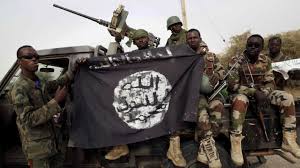
In Plateau and Benue states, recent clashes involving armed groups and communal conflicts have left dozens dead, while the Islamist insurgency led by Boko Haram and its offshoot, the Islamic State West Africa Province, continues to target civilians and security forces in the northeast.
Nigerian authorities are yet to formally respond to the latest advisory.
In the past, officials have criticised such warnings, arguing they exaggerate risks and harm the country’s image, particularly at a time when it is seeking to attract foreign investment and boost economic recovery.