Ndindi demands scrapping of G-to-G fuel deal, lowered prices below Sh200
Further, Nyoro turned his attention to Turkana’s oil resources, demanding that the country’s natural wealth benefit Kenyans, particularly residents of the county where the oil was discovered. He accused President William Ruto and his allies of benefiting from national resources while local communities remained disadvantaged, and faulted regional leaders for allegedly failing to protect Turkana’s interests.

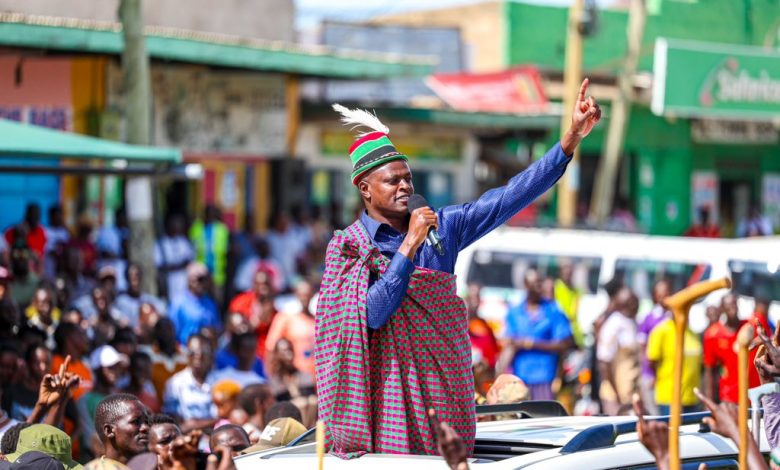
The People’s Party of Kenya (PPK) party leader and Kiharu Member of Parliament (MP) Ndindi Nyoro has demanded the immediate scrapping of the government-to-government (G-to-G) fuel import arrangement, accusing the government of presiding over a system that benefits a few individuals at the expense of ordinary Kenyans.
Speaking during a public rally in Lodwar, Turkana County on Saturday, October 17, 2026, Nyoro argued that the arrangement had failed to shield consumers from rising petroleum prices and called for urgent reforms to bring the cost of petrol and diesel below Sh200 per litre.
The former Kiharu MP proposed a Sh5.5 billion fuel subsidy, a reduction in importers’ and distributors’ profit margins to below Sh10 per litre, and the scrapping of a Sh7 fuel levy introduced in 2024.
He said the measures would ease the rising cost of living, reduce transport and production expenses, and cushion households and businesses against the ripple effects of expensive fuel.
Nyoro questioned why pump prices remained high despite an alleged decline in the landing cost of diesel from Sh167 per litre in May to Sh134 in October.
He further claimed that importers’ margins had increased by 12 per cent during the fuel crisis, arguing that consumers were being forced to shoulder the burden while a few players benefited from the arrangement.
The PPK leader called for greater transparency in petroleum pricing and accountability in the management of the fuel import system, insisting that the government should prioritise consumers’ interests.
Further, Nyoro turned his attention to Turkana’s oil resources, demanding that the country’s natural wealth benefit Kenyans, particularly residents of the county where the oil was discovered.
He accused President William Ruto and his allies of benefiting from national resources while local communities remained disadvantaged, and faulted regional leaders for allegedly failing to protect Turkana’s interests.
“Lodwar, Turkana County People’s Tour was excellent. The great people of Turkana County are firmly with other Kenyans as we chart a new path from next year,” Nyoro said in a statement following the tour.
He pledged that the opposition would prioritise free basic education from January 2028, better-funded healthcare, economic growth and quality jobs, while warning against the exploitation of Turkana’s oil resources for political patronage.
“We must protect Turkana oil from patronage,” he said.
Nyoro also raised concerns over insecurity in Samburu County, demanding compensation for residents whose livestock had been killed in attacks.
He accused the government of failing to adequately protect citizens and their property, insisting that security was a constitutional right rather than a favour extended by the State.
He called for urgent intervention to protect lives, livestock and livelihoods in affected communities, warning that continued insecurity threatened economic activity and the welfare of pastoralist households.
On the 2027 General Election, Nyoro urged opposition leaders to unite behind a single presidential candidate, warning that internal divisions could weaken their challenge to Ruto’s re-election bid.
He criticised leaders he accused of fuelling divisions within the opposition, arguing that a united front was necessary to mount a credible challenge against the President.
Nyoro maintained that opposition leaders must resolve their differences and rally behind one candidate capable of defeating Ruto in the first round of voting.
His remarks come as political leaders begin positioning themselves ahead of the 2027 elections, with the cost of living, fuel prices, resource management and insecurity emerging as key issues in the contest for public support.