East African private sector demands unified tax system ahead of 2026–27 budgets

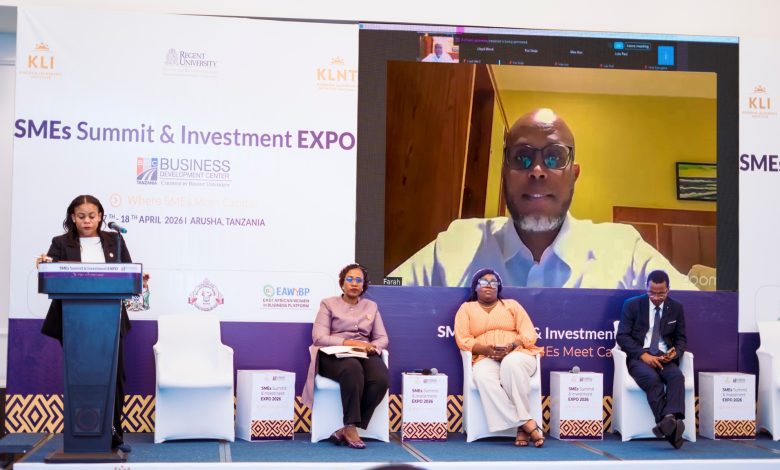
The East African private sector has urged Partner States to urgently harmonise tax proposals and fiscal measures ahead of the 2026–27 national budgets, warning that continued policy divergences are undermining regional competitiveness and raising the cost of doing business.
East African Business Council (EABC) Executive Director Ahmed Farah said Partner States must align tax measures with regional commitments to eliminate discriminatory practices and improve predictability in the business environment.
He noted that persistent differences in the application of the Common External Tariff and domestic taxes continue to distort investment decisions and weaken integration efforts.
EABC Vice Chairperson Simon Kaheru echoed the call, urging governments to align tax measures in the upcoming budgets to support business recovery amid global economic pressures.
East African Community Deputy Secretary General Annette Ssemuwemba emphasised that tax harmonisation is key to building a competitive and fully integrated regional market.
“Tax policy harmonisation must be understood not as a technical exercise, but as a strategic tool for building a competitive and truly integrated regional market,” she said, adding that differences in VAT, excise duties and withholding taxes continue to distort cross-border trade.
The call comes amid ongoing geopolitical tensions in the Middle East, which industry players say have increased global economic uncertainty, particularly through rising fuel and logistics costs.
They argue that coordinated tax reforms will help cushion businesses from external shocks, boost intra-regional trade, and attract investment into the region.
The proposals, which cover Kenya, Tanzania, Uganda and Rwanda, were presented during a regional engagement involving private sector representatives, including PwC experts, who highlighted inconsistencies in budget-making timelines, consultation processes and legislative procedures across the East African Community (EAC).
In Kenya’s Finance Bill 2026 proposals, the private sector is pushing for reforms to income tax, including extending tax loss carry-forward from five to 10 years, excluding non-cash or unrealised items from repatriated income, and aligning Significant Economic Presence Tax (SEPT) thresholds with VAT.
They also want an increase in the tax-free threshold, wider income tax bands to ease pressure on low- and middle-income earners, and the restoration of pension and death benefit exemptions. Other proposals include extending withholding tax remittance deadlines to 20 days and introducing deemed approval for tax exemptions where delays exceed 90 days.
On VAT, stakeholders are calling for transitional measures following the reduction in refund timelines from 24 to 12 months, removal of mandatory VAT registration for non-resident digital suppliers, a review of VAT on fuel and petroleum products, and faster VAT refund processing for bad debts. They also want a review of the VAT registration threshold currently set at Sh5 million, alongside rationalisation of exempt and zero-rated goods.
For excise duty, the private sector is proposing exemptions for SACCO member fees under the mutuality principle.
In Tanzania, the proposals include improved budget consultation timelines, clearer tax administration deadlines, and reforms to address interest accumulation during tax dispute resolution.
Stakeholders are also calling for clarity on dividend taxation, a reduction of the skills development levy from 3.5 per cent to 2.5 per cent, and removal of the expiry clause on VAT deferment for imported capital goods.
They further want clearer VAT rules for digital platforms and a reduction in excise duty on electronic communication services from 17 per cent to 14 per cent.
Uganda’s proposals focus heavily on digital taxation and compliance reforms, including reducing penalties for non-compliance with digital tax stamps, introducing penalties for failure to issue e-receipts, and expanding the definition of royalties to include software payments.
The private sector also wants the replacement of the 5 per cent Digital Services Tax with a 15 per cent withholding tax, alongside introduction of a minimum tax regime and adjustments to PAYE rates to offer relief.
Additional Uganda proposals include VAT and trade reforms such as exempting medical and agricultural imports from certain levies, and increasing the environmental levy on used clothing from 15 per cent to 30 per cent.
In Rwanda, the private sector is advocating for broader tax base reforms under the ongoing Tax Reform Programme (2024–2030), including reduction of exemptions, improved fairness and increased domestic revenue mobilisation.
Proposals include doubling capital gains tax from 5 per cent to 10 per cent, introducing a 1.5 per cent Digital Services Tax, removing VAT exemptions on ICT equipment and SIM cards, and raising excise duty on airtime from 10 per cent to 12 per cent.
PwC experts further observed that while most EAC countries implement Finance Act changes from July 1, differences in consultation timelines and legislative processes continue to affect predictability and transparency in tax policy formulation.