US aid cuts have severely disrupted Kenya’s health system, new research shows
PHR’s research brief shows a health system that is struggling to adapt to the shock of the abrupt funding cuts, with devastating health consequences

The United States has historically been a major supporter of public health initiatives in Kenya. From 2020– 2025, the United States Agency for International Development (USAID) committed approximately Sh323.2 billion (US$2.5 billion) in foreign assistance to Kenya (approximately Sh60.8 billion (US$470 million) per year) with 80 per cent allocated for health-related programmes.
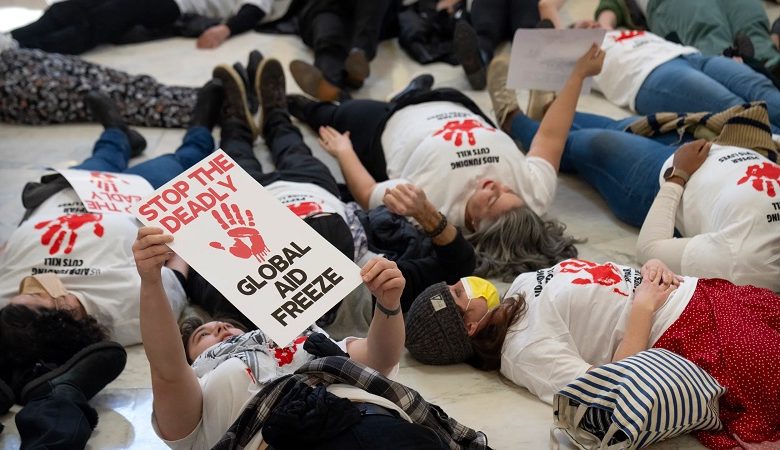
In January, US President Donald Trump signed an executive order to pause US foreign assistance for a 90-day review, that order was followed by a stop work orders that froze almost all US foreign assistance, except for limited waivers, that immediately and significantly reduced US global health funding. In July, the United States Congress confirmed significant cuts to foreign assistance through a rescissions package. These abrupt and sweeping cuts were not coupled with any preparations or alternative funding sources and so has left Kenya’s health system severely disrupted.
PHR’s research brief shows a health system that is struggling to adapt to the shock of the abrupt funding cuts, with devastating health consequences.
In Kenya, the effects of the funding cuts have been swift, for instance in the abrupt suspension of drop-in centers for community-based HIV monitoring and prevention funded through the United States’ flagship HIV programme, the President’s Emergency Plan for AIDS Relief (PEPFAR). Approximately 41,500 health workers, 18 percent of he estimated total health care workforce, in Kenya are supported through US funding, many of whom now face layoffs. Several antiretroviral therapy (ART) clinics were temporarily closed, some without proper referral systems. Key community-led initiatives, such as HIV prevention outreach and peer support services, have also been suspended. Prevention programs that provide diverse services such as pre-exposure prophylaxis, HIV counseling, and testing for adolescent girls and key populations, have been abruptly paused or reduced and threaten immense progress in ending the HIV epidemic.
For example, there are reports that some of the girls participating in the US-funded DREAMS programme, which ensured that 66,000 girls remained HIV-free over three years, have started to engage in sex work for survival after this vital support ended. USAID cuts hit malaria net distribution, maternal and child health, immunisations, health data management systems and nutrition programmes. Kenya, once a model for integrated community health programming, is now seeing signs of reversed progress, including reports indicating increased wait times, stockouts of essential medicines and vitamins, and clinic staffing shortfalls. The country also faces a serious risk of resurgence of malaria, HIV/AIDS, and vaccine-preventable diseases due to disruptions in treatment and prevention.
Kenya, once a model for integrated community health programming, is now seeing signs of reversed progress, including reports indicating increased wait times, stockouts of essential medicines and vitamins, and clinic staffing shortfalls.
Additionally, the withdrawal of US funding for the Gavi, the Vaccine Alliance, a global public-private partnership that seeks to increase access to immunisation in low-income countries poses a major threat to Kenya’s ability to immunise children against preventable diseases. The shortage of routine childhood vaccines compounds an existing crisis in Kenya where a recent measles outbreak affected over 2,900 children and killed least 18. The digital backbone of Kenya’s health system has also been significantly disrupted. The US foreign aid freeze has halted the Demographic and Health Survey programme which supported the collection of high-quality data to track health outcomes in over 90 countries, including Kenya, and disrupted critical health data systems, hampering routine monitoring, outbreak detection, and follow-up. As a result, disease and health outcome surveillance has deteriorated, impacting the work of community health responders and complicating efforts to easily understand the health impacts of the funding cuts.
Against this backdrop, this Physicians for Human Rights (PHR) research brief shows a health system that is struggling to adapt to the shock of the abrupt funding cuts, with devastating health consequences.