Inside the multi-billion avocado export scandal
The shipment, routed through the Netherlands before reaching Germany—a common logistics pathway—triggered disputes between exporters and importers due to quality concerns, further risking Kenya’s reputation in international markets


Kenya’s avocado industry is facing a potential crisis following revelations that thousands of tonnes of fruit were exported in violation of a government-imposed harvesting ban, raising concerns over regulatory lapses, poor quality produce, and an impending supply shortage.
Investigations by The Informer Media Group revealed that a total of 3,107 containers, equivalent to 33,205 tonnes of fresh avocado were exported between January and late March 2026, despite a seasonal restriction announced in October 2025 by the Agriculture and Food Authority (AFA).
The exports are reported to have begun as early as November 2025 and continued through the restricted period.
Among the exporters linked to the shipments are major firms including Seasons Orchards, Keitt Exporters, and Kenya Fresh Exporters Limited.

The consignments were reportedly cleared with export licenses issued by AFA and phytosanitary certificates from the Kenya Plant Health Inspectorate Service, raising questions about enforcement of the ban.
Industry insiders who spoke to us on condition of anonymity due to the sensitivity of the issue disclosed that the unauthorised exports have had far-reaching consequences, including delayed opening of the official export season and fears of a significant shortage later in the year.
One oil processor who spoke to our Crime and Investigative Team warned that the actions of a few exporters could destabilise the entire sector.
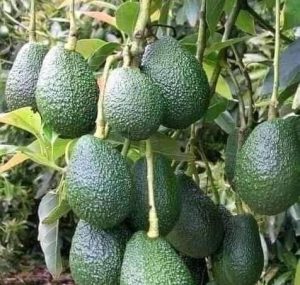
“Tonnes of avocados were exported between November and March, some of it immature. This will heavily impact jobs and the industry next year,” the source said, adding that regulators were aware of the exports.
The delay in opening the season, previously attributed by AFA to poor rainfall during the October–December period, is now being linked by stakeholders to the premature harvesting and export of fruit.
However, some players contend that the scale of early exports created an artificial shortage that is already being felt in the market.
Concerns have also emerged over the quality of the exported produce.
A European importer reported rejecting an entire consignment traced to Seasons Orchards, citing pest infestation and immaturity.
The fruits reportedly had a short shelf life and turned black upon thawing, indicating they had not ripened properly.
The shipment, routed through the Netherlands before reaching Germany—a common logistics pathway—triggered disputes between exporters and importers due to quality concerns, further risking Kenya’s reputation in international markets.

KEPHIS Managing Director Theophilus Mutui acknowledged that exports occurred during the restricted period but shifted responsibility to AFA, noting that his agency only issues phytosanitary certificates after confirming compliance with export standards.
“AFA issues the export licenses. We only verify the produce meets the required standards before issuing phytosanitary certificates,” Mutui said, adding that breaches are often attributed to smaller exporters—a claim contradicted by findings implicating major firms.
He also noted that certain regions, particularly in western Kenya, may receive exemptions due to late-maturing crops, though this does not fully explain the scale of exports recorded.
During a stakeholder meeting on March 31, 2026, AFA admitted that exports took place during the ban and pledged to take action against those involved. The authority said it is compiling a list of offenders, with a warning that their licenses will be revoked.

AFA Director General Bruno Linyiru had earlier accused exporters of violating provisions of the Crops (Horticultural Crops) Regulations, 2020, including handling produce in non-compliant packaging, sourcing from unregistered suppliers, and obstructing inspectors.
Meanwhile, the Kenya Revenue Authority declined to release export data, citing confidentiality provisions under the Tax Procedures Act, 2015.
The fallout is already being felt across the sector.
Avocado Exporters Association of Kenya (AEAK) Waithaka Wagura confirmed that illegal exports contributed to what he described as an “artificial shortage” as the 2026 season begins.
Wagura said the illegal exports happened during the ban and as an association they approached the HCD and raised the complaints.
“The essence of closing the season is to allow fruits to mature and protect our market reputation. What happened undermines that,” he said, noting that complaints had been formally raised with regulators.
Although Wagura later issued a statement distancing the Avocado Exporters Association of Kenya from any suggestion of complicity, the concerns highlight growing tension within the industry.
Oil processors have also raised alarm over continued processing activities ahead of the official season opening, warning that unchecked practices could lead to business closures.
Some have sought intervention from the Kenya Association of Manufacturers to push regulators into action.
By the time of going to the press, the Horticultural Crops Directorate (HCD) headed by director Christine Chesaro had not publicly outlined enforcement measures against implicated exporters, even as stakeholders warn that failure to address the loopholes could damage Kenya’s avocado exports, disrupt supply chains, and erode global market confidence.
“We have raised the concerns to KAM and they have promised to intervene with HCD because as oil processors, we are really hurt. This may lead to companies closing next year if it is not stopped,” another oil processor lamented.