A bigger stage awaits: What to expect from the 2026 World Cup

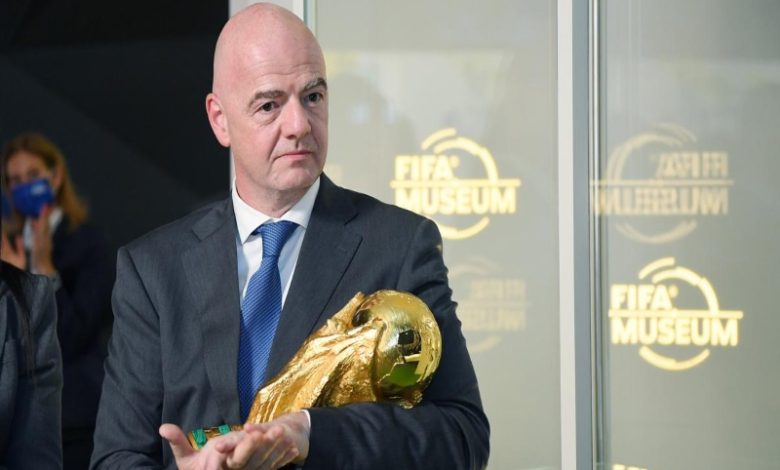
The 2026 FIFA World Cup is shaping up to be the biggest and most ambitious edition of the global football showpiece, with the tournament set to be jointly hosted by Canada, Mexico and the United States.
It will mark the first time three countries have co-hosted a men’s World Cup and the first edition to feature an expanded 48-team format, a significant jump from the traditional 32 teams.
Scheduled to take place in June and July 2026, the tournament will be staged across 16 host cities,11 in the United States, three in Mexico and two in Canada.
Iconic venues such as Mexico City’s Estadio Azteca, which will make history by hosting matches at a third World Cup, alongside modern stadiums in Los Angeles, New York/New Jersey, Dallas, Toronto and Vancouver, will provide a diverse and high-capacity backdrop for the competition.
Fans can expect a festival of football on an unprecedented scale.
With 48 teams divided into 12 groups, the new format promises more matches, greater global representation and fresh storylines, particularly from emerging football nations that now have an expanded pathway to the finals.
Traditional powerhouses will still command attention, but the increased field raises the likelihood of surprise results and breakout stars.
Beyond the pitch, the 2026 World Cup is expected to be a commercial and cultural juggernaut. Improved infrastructure, cutting-edge broadcast technology and fan-focused innovations are anticipated, reflecting FIFA’s push to modernize the tournament experience. Sustainability, security and seamless cross-border travel will also be under the spotlight as organizers coordinate across three nations.
As preparations intensify, FIFA has officially opened media accreditation for the 2026 World Cup, allowing journalists, photographers and broadcasters from around the world to apply for access to the tournament. The accreditation window opened on Monday, January 26, 2026 and will remain open until Tuesday, March 31, 2026.
All applications must be submitted through the FIFA Media Hub, the governing body’s official platform for managing media access. FIFA has advised interested media professionals to apply early, noting that demand is expected to be exceptionally high given the scale and global interest surrounding the tournament.
Media representatives must contact their national association to obtain a control key before applying.
“Member Associations distribute control keys to media organisations and freelancers,” said FIFA in a statement.
With just over two years to go, anticipation is steadily building. From historic venues and an expanded format to global media attention, the 2026 World Cup promises not only to redefine the tournament itself, but also to set new benchmarks for how the world experiences football’s greatest event.