When Sifuna labelled Turkana Oil plan ‘Ruto’s biggest scandal’ citing masked ownership

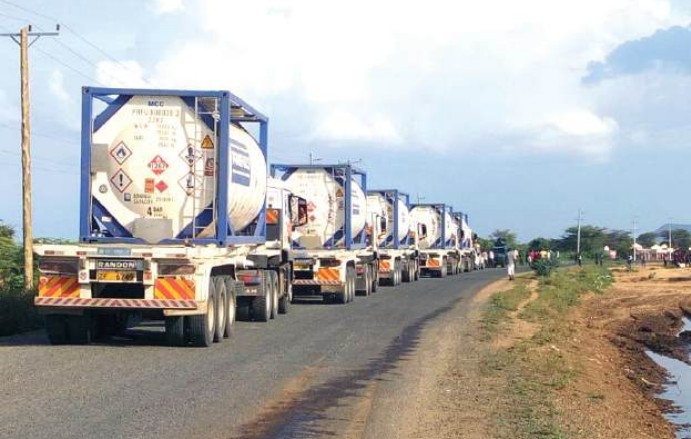
In December last year shortly after the Christmas festive and on the eve of the new year when Parliament invited public memoranda on the South Lokichar basin proposed Field Development Plan (FDP) for the Turkana oil project, most Kenyans were on a festive mood.
Alarmed by the rapid ownership changes of Gulf Energy, the company set to produce the oil, formerly Tullow Oil, Nairobi Senator and immediate former ODM party Secretary General Edwin Sifuna said the name and ownership structure of the company shifted multiple times within weeks, and in some cases, days thereby calling for accountability.
He warned that Kenyans risk losing meaningful benefits from the country’s long-awaited petroleum resources.
Sifuna alleged that the deal presented to lawmakers is riddled with irregularities, opaque ownership changes, and contract variations that overwhelmingly favour the oil company at the expense of the public.
On November 6, 2025, Energy and Petroleum Cabinet Secretary Opiyo Wandayi approved the Lokichar oil project’s Field Development Plan then starting a 30-day countdown for parliamentary ratification under powers granted by the Petroleum Act, 2019.
“This is Ruto’s biggest scandal yet. The ownership of the company that is to produce the oil changed hands multiple times in a matter of weeks,” Sifuna said.
“Your lawyer will tell you that is symptomatic of attempts to mask real ownership,” he added.
Sifuna also expressed concern that the current FDP was approved by the government only days after the last ownership changes, a move he described as deeply suspicious and in need of closer scrutiny by Parliament and the public.
At the heart of his criticism then was a major revision of the production sharing contract, particularly a November 25, 2025 amendment that significantly increased the maximum recoverable cost for petroleum production from 55 per cent to 85 per cent.
The Senator highlighted amendments to Clause 27(2)(b) on the same day, which expanded the definition of capital expenditure to include labour, fuel, repairs, maintenance, hauling, mobilisation, supplies, and even decommissioning costs.
“This effectively means almost all operational expenses can now be recovered before the government earns anything from the oil,” Sifuna said.
He further accused the government of deliberately undermining the Local Content Act, which requires oil companies to prioritize locally available labour, goods, and services, claiming that the current agreement with Gulf Energy is structured to exempt the company from complying with the law.
At the time, Parliament was receiving public submissions on the Turkana oil FDP, with the Senate expected to play a key role in reviewing and approving the plan.
Sifuna urged Kenyans to actively participate in the process, arguing that the decisions made now will determine whether the country ever benefits from its oil resources.