LPG demand surges as homes, institutions shift to cleaner energy
The figures point to continued expansion in Kenya’s energy demand, even as consumers and economic sectors increasingly adopt cleaner energy technologies and fuels.

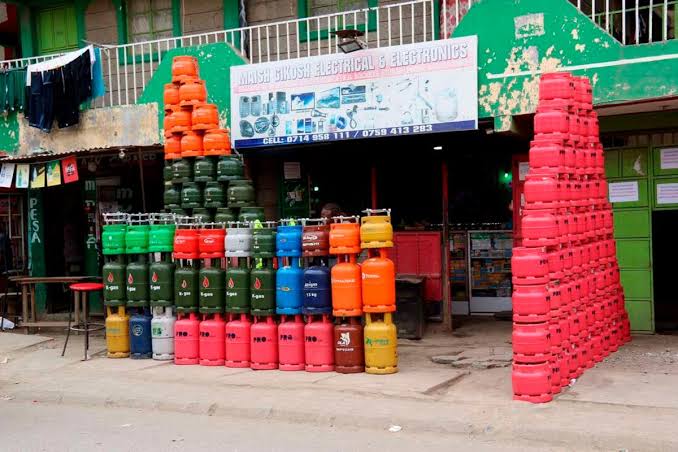
Demand for liquefied petroleum gas (LPG) in Kenya rose by 14.62 per cent in the year ended June 2026, as households, institutions and businesses increasingly shifted towards cleaner energy sources.
The growth is part of a broader expansion in Kenya’s energy sector, with electricity access and consumption, electric mobility and energy infrastructure also recording significant increases, according to the latest statistics from the Energy and Petroleum Regulatory Authority (EPRA).
The EPRA Statistics Report for the Year Ended June 30, 2026, attributes the rise in LPG consumption partly to improved infrastructure and supply chains, as well as government interventions aimed at promoting clean cooking solutions.
“The overall energy and petroleum sector has registered continued growth, but it is commendable that clean energy consumption continues to grow,” said EPRA Acting Director General Joseph Oketch.
The growth in LPG demand comes as Kenya continues to transition away from traditional cooking fuels, with cleaner alternatives gaining ground among households and institutions.
The report also shows that geothermal energy remained the largest source of electricity consumed in Kenya, accounting for 40.58 per cent of the power mix.
Hydropower followed with 24.48 per cent, while wind accounted for 15.29 per cent, electricity imports 10.57 per cent, thermal generation 6.25 per cent and solar 2.83 per cent.
Domestic electricity consumption recorded the strongest growth among customer categories, increasing by 18.87 per cent to 4,327.07 gigawatt-hours (GWh).
The number of new individual electricity connections also rose by 411,710, bringing the cumulative number of grid-connected customers to 10.43 million.
Large commercial and industrial consumers, however, remained the biggest users of electricity, accounting for 47.57 per cent of total consumption during the period.
Electric mobility recorded the fastest year-on-year growth in electricity consumption, with usage increasing by 143.01 per cent from 5.04 GWh to 12.25 GWh.
EPRA attributed the surge partly to increased uptake of the e-mobility tariff. The regulator also reviewed the tariff by removing the previous 15,000 kWh monthly consumption cap to facilitate increased electricity use by electric mobility customers.
Meanwhile, petroleum product imports rose by 11.52 per cent to 10.88 million cubic metres, driven by increased demand from key economic sectors, particularly transport and construction.
Domestic petroleum consumption also increased by 8.41 per cent to 6.33 million cubic metres during the year.
The figures point to continued expansion in Kenya’s energy demand, even as consumers and economic sectors increasingly adopt cleaner energy technologies and fuels.