Uasin Gishu, Baringo and Wajir top bribery hotspots in Kenya
Some counties show bribe amounts nearly 80 times higher than others, underscoring the varying degrees of corruption challenges across the nation

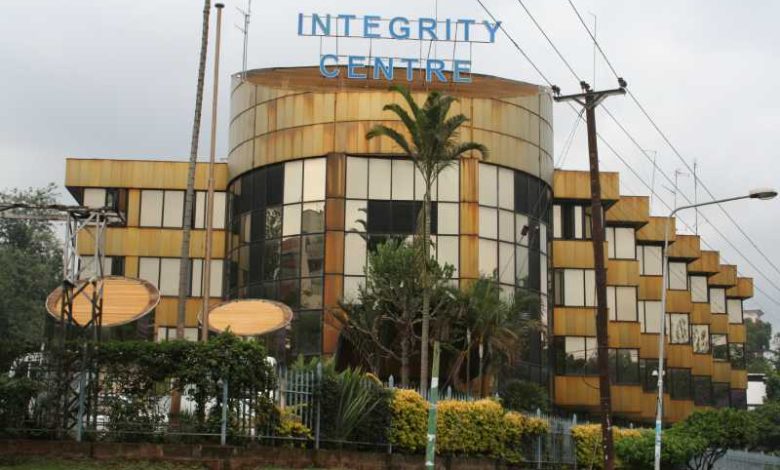
A survey by the Ethics and Anti-Corruption Commission (EACC) has painted a grim picture of corruption in Kenya’s public service with bribery emerging as the most common and entrenched form of unethical practice.
In its 2024 ethics and corruption survey, which analysed the nature, prevalence, and impact of corruption across various sectors and countries, EACC has revealed an alarming level of bribery in employment, procurement, and public service delivery.
According to the survey, more than half, 52 per cent, of Kenyans witnessed the giving of bribes, making it the leading form of corruption, followed by receiving of bribes, 41.9 per cent, favoritism 22.5 per cent, abuse of office, 14.6 per cent, tribalism and nepotism, 11.8 per cent, and embezzlement of public funds, 11.7 per cent
The findings show that nearly one in five Kenyans were explicitly asked for a bribe, while 10.7 per cent were indirectly expected to pay, and 0.9 per cent offered bribes voluntarily.
In total, 30.5 per cent of respondents reported encountering bribery in some form.
Bribery is most likely when citizens seek services from the Teachers Service Commission, where the average likelihood of being asked for a bribe stands at 1.58 times per request.
Other high-risk services include bursary applications, college admissions, NSSF and NHIF registration, and county land and housing services.
The survey also identifies Kwale, Kilifi, and Wajir counties as having the highest likelihood of bribery, with citizens being asked for bribes more than once on average.
In terms of prevalence, Elgeyo-Marakwet, Marsabit, and Wajir counties top the list, with all respondents in these counties reporting having paid bribes to access public services.
During the survey, Kakamega, Baringo, and Meru counties were identified as having the highest impact of bribery, meaning bribe payers in these counties were more likely to receive services than non-payers.
The survey highlights a disturbing trend: paying a bribe significantly increases the chances of receiving a service.
“On average, counties where respondents paid the largest amount of bribes were Uasin-Gishu (Sh25,873), followed by Baringo (Sh16,156), Embu (Sh12,878), Homabay (Sh12,381), Bomet (Sh11,650), Kakamega (Sh10,013), Tana-River (Sh9,582), Kiambu (Sh7,982), Nyamira (Sh7,748), and Wajir (Sh7,275) counties,” the report highlighted.
At the bottom of the list, Isiolo County recorded the lowest average bribe payments at just Sh323, Marsabit at Sh700, and Turkana at Sh895.
Further counties with midrange payment of bribery include Narok, Ksh 4,010, Tharaka Nithi with Ksh 3,722, Nyeri recorded Sh3,678, and Siaya Sh3,454, while the capital, Nairobi, recorded relatively lower average bribe payments at Sh4,718.
The comprehensive analysis covering all 47 counties highlights the need for targeted anti-corruption interventions.
Some counties show bribe amounts nearly 80 times higher than others, underscoring the varying degrees of corruption challenges across the nation.