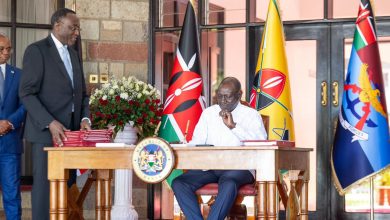
Tycoon linked to Sh4.8billion fuel scandal held private meetings with energy officials, probe reveal
Preliminary probe findings show that alleged private meetings involving one of the key suspects—previously associated with controversial multi-billion-shilling dealings were held alongside sacked energy officials and now detectives are examining the role the regulatory officials could have played in facilitating the transaction

A multi-billion shilling fuel import scandal that has rocked the Ministry of Energy and Petroleum after the irregular procurement of two consignments worth Sh4.8 billion has raised fresh concerns over transparency and adherence to established procedures in the sector and the role private sector players have played in masterminding the scam in collusion with rogue state officials.
The Executive Office of the President on Saturday, April 4, 2026 confirmed that the fuel shipment was imported outside the government-to-government (G2G) framework, in clear violation of official procurement protocols and at significantly inflated prices compared to contracted rates.
Investigations by The Informer Media Group reveal a series of inconsistencies surrounding the deal, including the speed at which the contract was executed.
Sources indicate that the agreement for the shipment was signed on March 25, 2026, yet the vessel, MT Paloma, docked at the Port of Mombasa just two days later carrying 68,000 metric tonnes of fuel—raising questions about prior arrangements.
Authorities have linked the importation to a Mombasa-based businessman, with senior executives from the associated firm already summoned by the Directorate of Criminal Investigations (DCI) to record statements.
Preliminary probe findings show that alleged private meetings involving one of the key suspects—previously associated with controversial multi-billion-shilling dealings were held alongside sacked energy officials and now detectives are examining the role the regulatory officials could have played in facilitating the transaction.
Shipping records show the cargo had been loaded earlier in February 2026 at the Port of Fujairah in the United Arab Emirates before being transported to Kenya. The vessel departed Mombasa on March 30 after offloading the consignment, further complicating the timeline of events under scrutiny.
The government has since moved to contain the situation, halting a second fuel shipment believed to have been procured under similar circumstances.
Energy Cabinet Secretary Opiyo Wandayi said the decision was made after critical details emerged from the ongoing investigations.
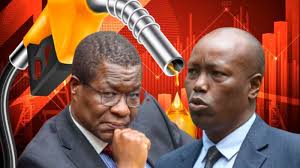
“When full information about the fuel shipment that is the subject of investigations emerged, we stopped the delivery of a second cargo under similar circumstances, thus protecting and securing public interest,” he said in a statement issued on April 5, 2026.
Wandayi acknowledged recent upheavals in the petroleum sector, including the resignation of senior officials within the ministry and affiliated agencies, but maintained that the situation remains under control.
“The government wishes to assure the public that the situation is under control,” he added.
Meanwhile, enforcement agencies have intensified their probe into the matter.
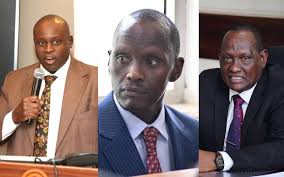
Former Petroleum Principal Secretary Mohamed Liban, former Energy and Petroleum Regulatory Authority (EPRA) Director General Daniel Kiptoo, and former Kenya Pipeline Company (KPC) Managing Director Joe Sang have been released on police bond and are expected in court as investigations gather pace.