Strait of Hormuz reopening key to averting global economic shock
Any renewed conflict would therefore likely trigger retaliatory actions that could spread across multiple countries, drawing in regional actors and threatening international shipping lanes. The consequences would spillover and extend far beyond the battlefield.

The emerging ceasefire framework between the United States and Iran represents far more than a temporary pause in hostilities.
It is a crucial opportunity to prevent a wider regional war that could further destabilise the Middle East, disrupt global energy markets, undermine international diplomacy, and inflict devastating humanitarian and economic consequences far beyond the region.
Central to these talks is a recognition by both Washington and Tehran that a return to full-scale conflict would produce no clear winners. While military escalation may offer short-term tactical advantages, it would almost certainly deepen insecurity across the Gulf region and create risks that neither side can fully control.
While the United States arguably possesses overwhelming military superiority and has repeatedly demonstrated its ability to strike Iranian military and nuclear infrastructure, on the other side, Iran, however, maintains significant asymmetric capabilities through its missile arsenal, naval assets, proxy networks, and strategic geographical position along critical maritime routes.
Any renewed conflict would therefore likely trigger retaliatory actions that could spread across multiple countries, drawing in regional actors and threatening international shipping lanes.
The consequences would spillover and extend far beyond the battlefield.
Indisputably, the Gulf region remains one of the world’s most important energy hubs. Prolonged instability will only continue to directly affect global oil and gas supplies at a time when many economies are already grappling with inflationary pressures, supply chain disruptions, and geopolitical uncertainty.
Worse still, a sustained conflict could send energy prices soaring, increasing the cost of transportation, manufacturing, electricity generation, and food production worldwide.
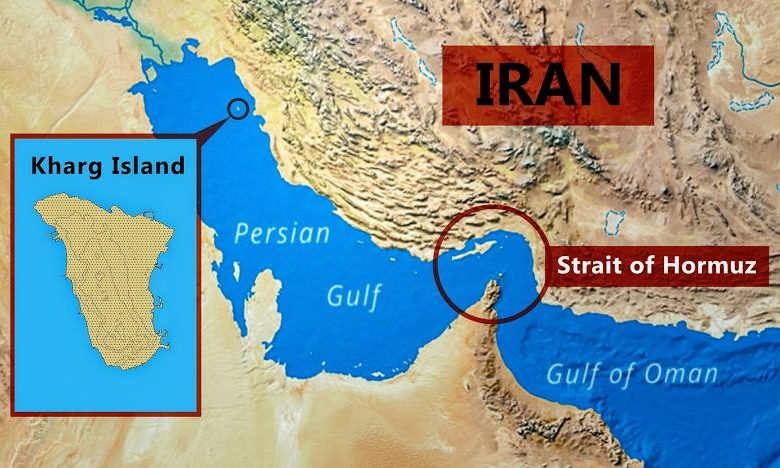
For this reason, the reported provisions concerning the reopening of the Strait of Hormuz may ultimately prove to be among the most strategically important elements of any agreement.
The Strait of Hormuz is arguably the world’s most critical maritime chokepoint. Located between Iran and Oman, the narrow waterway serves as the primary gateway for oil and liquefied natural gas exports from major Gulf producers, including Saudi Arabia, Iraq, Kuwait, Qatar, Bahrain, and the United Arab Emirates.
Approximately one-fifth of global oil consumption passes through the strait, making it indispensable to the stability of international energy markets.
Whenever tensions escalate in the Gulf, the Strait of Hormuz becomes a focal point of global concern. Even the perception of potential disruption can trigger immediate reactions in commodity markets, driving up oil prices and increasing shipping insurance costs.
A complete closure, even for a short period, would have profound economic consequences, potentially triggering a global energy shock and undermining economic recovery efforts in many countries.
The reopening and secure management of the strait would therefore provide immediate benefits.
To begin with, it would restore confidence among international shipping companies and energy traders.
Secondly, it would help stabilise global energy prices by reducing uncertainty as well as reassuring the Gulf states whose economies depend heavily on uninterrupted exports.
Finally, the reopening of the crucial passage would demonstrate that diplomacy can deliver tangible economic and security dividends even amid deep political disagreements.
However, over and beyond economics, maintaining the ceasefire creates diplomatic space to address the more complex issue that has long fueled tensions between Washington and Tehran all revolving around Iran’s nuclear programme.
Military action may delay aspects of a nuclear programme, but history shows that durable non-proliferation outcomes are generally achieved through negotiated verification mechanisms, inspections, transparency measures, and sustained diplomatic engagement.
The current negotiations offer an opportunity to move from crisis management to conflict resolution.
While disagreements over uranium enrichment and stockpiles remain significant, continued dialogue allows both sides to pursue mutually acceptable safeguards without resorting to military confrontation.
This approach aligns with broader international interests, including those of European allies, Gulf states, China, and Russia, all of whom have a stake in preventing a nuclear crisis and maintaining regional stability.
Ironically, Africa has been relegated to the periphery despite its immense natural resource, skilled labour and raw material sources endowments.
The ceasefire also carries important implications for regional security architecture. A successful agreement could reduce the risk of proxy confrontations across Iraq, Syria, Lebanon, Yemen, and other flashpoints where US and Iranian interests frequently collide.
It could create momentum for broader confidence-building measures and encourage regional actors to prioritize diplomacy over confrontation.
From a humanitarian perspective, avoiding a return to war cannot be gainsaid. Armed conflict inevitably results in civilian casualties, displacement, infrastructure destruction, and long-term economic hardship.
The populations of both Iran and the wider region have already borne significant costs from years of sanctions, instability, and geopolitical rivalry. A diplomatic settlement offers a chance to shift resources away from conflict and toward reconstruction, economic development, and social welfare.
The significance of the current negotiations lies not only in preventing immediate hostilities but also in demonstrating that diplomacy remains the most effective instrument for managing complex international disputes.
The reopening of the Strait of Hormuz and the extension of the ceasefire would signal a collective commitment to stability, economic security, and peaceful engagement.
While major there are still sticking major differences, the path to a comprehensive agreement is far from guaranteed, both Washington and Tehran have strong incentives to avoid a return to full-scale conflict.
The costs of war are increasingly clear, while the benefits of sustained dialogue, regional stability, and secure global trade routes offer a far more promising path forward for both nations and the international community.
The author, Kinyuru Munuhe is the Executive Director, Governance & Diplomacy Associates (GDA Associates). He is also a Diplomacy, Geopolitics and Strategic Communications Specialist.