State of election preparedness in readiness to August polls

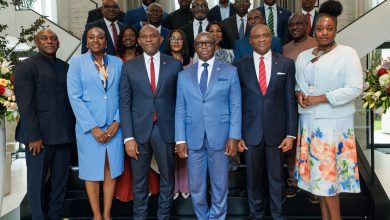
The Media Council of Kenya (MCK) in partnership with Katiba Institute together with other stakeholders held a media summit today to discuss issues on access to information and media preparedness ahead of the General Election.
The summit provided a platform for national discourse between the stakeholders on the role of the media.
Speaking during the summit the Principle Secretary, Ministry of ICT and Innovation and Youth Affairs, Esther Koimett called upon the media to abide to the Media Council conduct and to play its key role as an educator, agenda-setter and watchdog in election coverage.
Koimett further stated that managing elections requires the input of all relevant institutions, the media and the public.
“Public participation is a critical element in ensuring free and fair elections”, Koimett added.
“We have 17 days to elections and it is evident that Kenyans look to the media for information. The role of the media is to be the light, peace keeper and gatekeeper, which filters the content that is true and relevant,” said Dr. Skitter Ocharo, CEO, National Cohesion and Integration Commission.
Commissioner Francis Mathenge Wanderi from the Independent Electoral Boundaries Commission (IEBC) highlighted the need for the media to focus more on key issues as the media plays an important role in sensitising the public.
IEBC has registered and gazetted a total of 22,120,458 voters by 20 June 2022 and 46,233 polling stations by 1 July 2022. The Commission has also procured all strategic election materials including ballot papers and election technology.
“I encourage media coverage in all the 46 polling centers and urge the media to provide accurate and valuable information to enhance transparency of fair and credible elections”, Wanderi added.
The Media Council of Kenya pointed out the crisis of disinformation, misinformation and manipulation of social media where there are up to 50,000 bots and pseudo accounts that are circulating around casting polls on social media, especially on Twitter.
“Elections come with several dynamics that threaten integrity of information landscape in Kenya. We have 72 full-time media analysts who will assist with real-time debunking of information using the iVerify Network for fact checking,” said David Omwoyo, CEO Media Council of Kenya.
The office of the Director of Public Prosecutions has established a Hate Speech and Electoral Justice division to handle all cases on hate speech and all matters relating to the electoral justice.
“The media has a critical role in elaborating terminologies such as ‘run off’, during this electioneering period and Kenyans require information and transparency in relaying of the elections results,” said Christine Nkonge, Executive Director, Katiba Institute.
“This summit reminds us on the urgency to protect human rights during election periods,” said Dr. Bernard Mogesa, CEO, Kenya National Commission on Human Rights (KNCHR).
The National Cohesion and Integration Commission commended MCK on their efforts of promoting a free and transparent election.