Sh60 million human–wildlife conflict compensation payment renews hope in Kilifi
Nationwide, the government has already disbursed Sh2.8 billion in compensation, with an additional Sh1.36 billion under processing

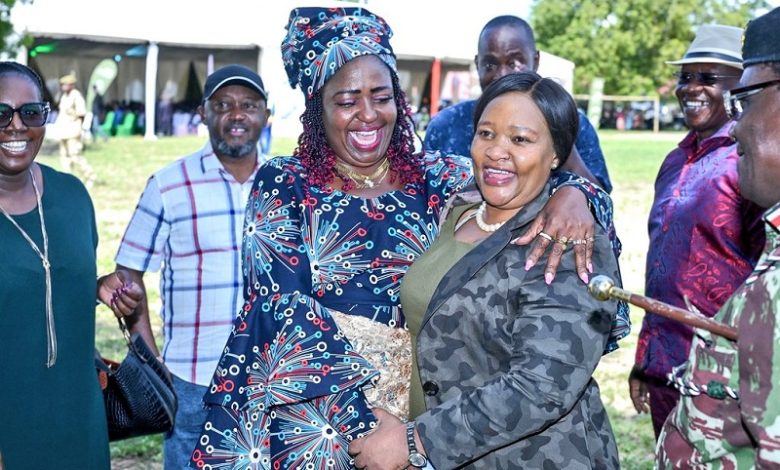
Communities in Kilifi County have received over Sh60 million in compensation for losses linked to human–wildlife conflict, marking a significant step in restoring trust and dignity among the affected families.
This was payment from 2014 to October 2020, clearing part payments for human deaths. In the meantime, the government is committed to clearing all pending compensation claims.
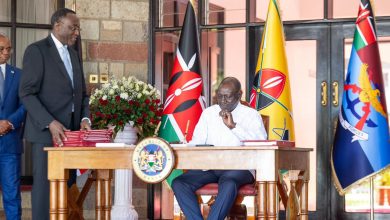
Speaking in Marafa, Kilifi County during the issuance of compensation cheques, Tourism and Cabinet Wildlife Rebecca Miano stressed that compensation is a constitutional right under the Wildlife Conservation and Management Act, not a favour, adding that the government’s resolve to translate policy into tangible benefits for citizens, highlighting more than 1,300 human–wildlife conflict cases reported in Kilifi since 2021.
Nationwide, the government has already disbursed Sh2.8 billion in compensation, with an additional Sh1.36 billion under processing — a demonstration of sustained goodwill to ease the burden on affected communities. Beyond compensation, she outlined a six-pillar prevention strategy, including corridor fencing, modern early warning systems, and enhanced ranger presence, while reaffirming the government’s commitment to community upliftment through Corporate Social Investment projects such as building classrooms, distributing water tanks, and supporting local development.
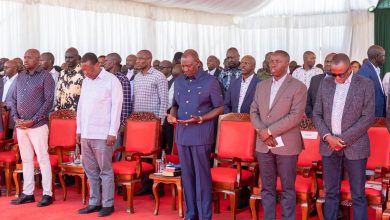
Also present were Kenya Wildlife Service (KWS) Board of Trustees Chairman Lt Gen (Rtd) Walter Raria Koipaton and KWS Director General Prof Erustus Kanga, Kilifi Deputy Governor Florah Mbetsa, Woman Representative Hon. Gertrude Mbeyu, National Assembly Deputy Leader of Majority and Kilifi North MP Owen Baya, other Kilifi County Members of Parliament, MCAs and national government officers led by the Kilifi County Commissioner Josephat Biwott.
Lt Gen (Rtd) Koipaton reinforced the Board’s pledge to guide KWS towards becoming a more community-oriented, solution-driven institution anchored in transparency, partnership, and innovation. He assured the community that the Board is actively engaged in reviewing and supporting stronger measures to protect both people and wildlife, adding that inclusive, people-led conservation remains central to KWS’s mission.
Prof. Kanga acknowledged the hardship caused by recurring wildlife incursions in Ganze, Magarini, and Vitengeni, pledging KWS’s unwavering commitment to protect communities while conserving Kenya’s natural heritage.
He confirmed the deployment of a fully equipped Problem Animal Management Unit (PAMU) in Kilifi to improve rapid response and reduce fear among residents. These interventions, anchored in the KWS Strategic Plan 2024–2028 and the Bottom-Up Economic Transformation Agenda, reflect a shared vision: a future where communities and wildlife not only coexist, but flourish together in safety, harmony, and mutual benefit.