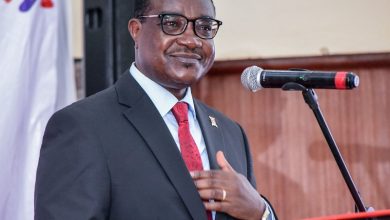
Regulator denies reports Kenyans spent Sh766 billion on betting last year
BCLB chairperson Dr Jane Makau said the 'sensational' figure inaccurately inflates the size of the regulated market, likely by including offshore (unlicensed) platforms


The Betting Control and Licensing Board (BCLB) has dismissed as sensational, recent media reports that Kenyans spent Ksh 766 billion on betting last year.
“We have to debunk the Ksh 766 billion myth recently reported in media as the amount Kenyans used to gamble in 2024, was sensational. That figure alone is roughly equivalent to 31% of national revenue. The sensational figure inaccurately inflates the size of the regulated market, likely by including offshore (unlicensed) platforms,” BCLB chairperson Dr Jane Mwikali Makau said in a statement.
“This leads policy-makers and the public on the economic reality of licensed operators. In fact, taxes related to the gambling sector (gaming & betting), excised duty on stakes and withholding tax on winnings) totaled Ksh 22.3 billion in Financial Year 2023/24. The industry directly employs over 10,000 Kenyans, supports over 500,000 lives indirectly, and contributes substantial amounts in community projects under corporate social responsibility (CSR),” Dr Makau added.
In the statement seen by the Informer Media Group, Dr Makau, however, said there is need to regulate betting, adding that based on the most current data from the industry’s licensed operators and the comprehensive, multi-sectorial initiatives undertaken by the Board, to protect Kenyans, BCLB was working on modalities to preserve the social fabric.
In a notice seen by The Informer Media Group, she noted that in terms of lifetime participation; a majority of adult Kenyans have gambled at least once in their lives. At the same time, it was also found that a substantial percentage of Kenyan youth have participated in betting or gambling activities.
She further noted that mobile phone accessibility means that most of sport bettors use smartphones-making online platforms the predominant channels.
Moreover, because of the growing market size, the sector is expected to generate Ksh 20 billion in 2025.This includes excise duty, withholding tax plus betting & gaming tax. The figures underscore both the popularity of licensed gambling while also developing a strong regulatory or oversight channel. The notice suggest that the oversight is set to be strengthened by passing into law of the Gambling Control Bill, 2023, which is in the legislative process.
Additionally, according to Dr Makau, the Board’s multi-pronged initiatives to address the matter will have functional complaints section that will be charged with receiving and registering grievances including deaths, public sensitization campaigns through media talk shows, county workshops, and school programmes to highlight unchecked gambling. Also, in matters of advertisement guidelines, destructive or addictive messaging, government had put in place robust measures to control the ramifications.
BCLB has also made it clear that, they were deploying advanced technology to monitor licensed operators in real-time to detect unlicensed operators in real-time and detect unlicensed sites & implement swift administrative and regulatory sanctions. Similarly stricter licensing would be pushed to ensure compliance with programs like regular audits and as such license cancellations for non-compliant operators.
Also in BCLB’s radar was the revamping & launching of a national self-exclusion program which allows for individuals to voluntarily bar themselves from all gambling services. The Board is also weighing multiple options around partnerships with rehabilitation organisations like health institutions and NGOs (Non-Governmental Organizations) to provide counseling for all affected persons. BCLB is also hopeful that the input of Parliament could help arrest the runaway issue of gambling.
“The current gaming activities demand a united-multi-sectoral response. This calls for continued industry collaboration, legislative reform and public education. The Board and its partners are committed to protecting vulnerable Kenyans and preserving the social and economic health of our communities,” added the BCLB chairperson.