Promotions of 200 state counsel blocked
The PSC supported their case, maintaining that the Attorney General failed to rebut claims that amendments to the Office of the Attorney General Act were based on a misleading premise

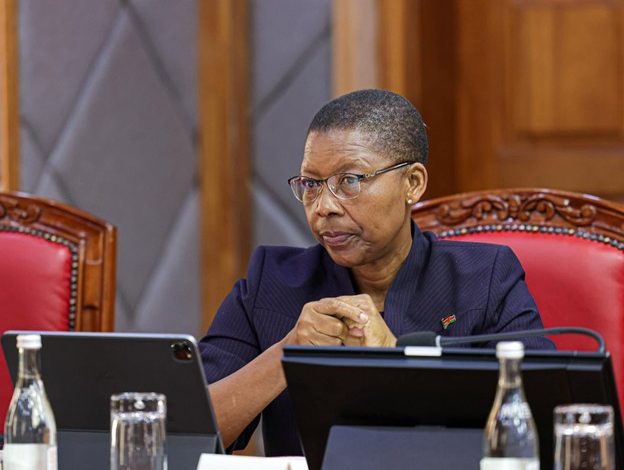
The Court of Appeal has declined to lift an order that quashed the promotion of more than 200 state counsels at the Dorcas Oduor’s Attorney General’s office.
A three-judge bench ruled that public interest would be better served by suspending the promotions until they are confirmed to have met constitutional and legal standards.
Justices Patrick Kiage, Gatembu Kairu, and Kathurima M’Inoti held that although the Attorney General’s appeal was arguable, failure to suspend the judgment delivered on May 29 would not render the appeal futile.
The judges added that any losses suffered by the affected officers could be compensated through payment of salary arrears should the appeal succeed.
The Employment and Labour Relations Court (ELRC) had earlier quashed the 213 promotions, with Justice Byram Ongaya finding that they were effected without adherence to principles of competition and merit.
Justice Ongaya further noted that considerations of gender, ethnic, and regional balance were ignored. In the disputed promotions, nine of the 15 senior positions went to members of the same ethnic community, while 12 of the officers promoted were women.
Through Chief State Counsel Oscar Eredi, the Attorney General argued that the ELRC judgment had thrown the operations and human resource governance of the State Law Office into disarray.
Eredi contended that the ruling had far-reaching implications given the sensitive nature of the office and its central role in government operations.
He said maintaining stability within the Attorney General’s office was paramount to avoid disruptions that could negatively affect government service delivery.
He further explained that the affected officers had already received their appointment letters, assumed new positions, and been placed on the updated payroll. Some, including deputy chief state counsels appointed as heads of newly established regional offices, had already been deployed under the office’s decentralisation plan.
However, Dr Magare-Gikenyi and two others challenged the promotions, arguing that qualified state counsels were denied an opportunity to compete for the positions through the Public Service Commission (PSC), as required by law.
The PSC supported their case, maintaining that the Attorney General failed to rebut claims that amendments to the Office of the Attorney General Act were based on a misleading premise.
“Public interest does not favour the discrimination of other qualified and competent state counsels who were denied the opportunity to compete for senior positions in the Attorney General’s office,” the PSC said in its response.
The contested promotions included two Senior Deputy Solicitor Generals, 13 Deputy Solicitor Generals, four Chief State Counsels, 63 Deputy Chief State Counsels, and 145 Principal State Counsels. Justice Ongaya had ruled that all appointments and promotions (other than for common establishment positions) in the A-G’s office must be based on fair competition and merit, gender balance and must represent the face of Kenya through ethnic and regional balance.
Attorney General Dorcas Oduor had defended the amendments and the promotions arguing that the changes were made after the office was delinked from the mainstream public service and the deputy solicitor general and state counsel were removed from the purview of the PSC.
And after delinking, the Attorney General and the advisory board undertook a review of the office and its practices including human resource function and established that many of its officers had stagnated in certain job groups while others had been serving in an acting capacity for long periods of time.