New report says consumption of processed packaged foods on the rise sparking health crisis
Adult obesity has tripled since 2000, and NCDs now account for 39 per cent of all deaths in Kenya, over 50 per cent of hospital admissions, and 11 per cent of health expenditure

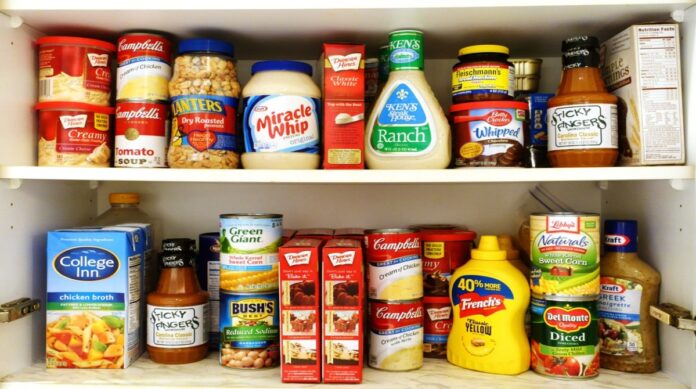
The consumption of unhealthy (ultra-) processed packaged foods—including products high in fats, salt, and sugar—such as sugary beverages, is rapidly increasing in Kenya with sales increasing by by 16 per cent between 2017-2023, new report by Access to Nutrition initiative (ATNi).
The Kenya Market Assessment Report 2025 says the shift is driven by urbanisation, a growing middle class, and expanding formal and informal retail markets.
It adds that while fresh and minimally processed staple foods remain central to Kenyan diets, these dietary changes are contributing to rising rates of overweight, obesity, and diet-related noncommunicable diseases (NCDs). Adult obesity has tripled since 2000, and NCDs now account for 39 per cent of all deaths in Kenya, over 50 per cent of hospital admissions, and 11 per cent of health expenditure.
In 2022, 45 per cent of women of reproductive age and 19 per cent of men were overweight or obese. At the same time, undernutrition and micronutrient deficiencies persist—especially amongst low-income populations—with 79 per cent of Kenyans unable to afford a healthy diet.
ATNi is a global foundation actively challenging the food industry, investors and policymakers to shape healthier food system with a mission to transform markets so that at least half of companies’ food & beverage (F&B) sales are derived from healthy products by 2030.
Its report contains the first-ever independent assessment of Kenya’s F&B manufacturing sector, which analyses the healthiness of products offered by 30 of the largest producers of packaged F&B. Together, these companies represent approximately 57 per cent of the formal packaged F&B market in Kenya. Amongst the 746 F&B products analysed, only 33 per cent meet defined ‘healthy’ thresholds—while the remaining 67 per cent do not.
The report says overall healthiness is low across the 30 companies, with substantial variation between companies: only 33 per cent of 746 products meet the ‘healthy’ threshold under Health Star Ratings (HSR) (≥3.5 stars), rising to 38 per cent when weighted by sales. Incorporating micronutrients (mHSR+) increases these figures to 36 per cent and 42 per cent respectively.
World Health Organisation Regional Office for Africa (WHO AFRO) flags just 14 per cent of products (23 per cent sales-weighted) are eligible to be marketed to children while 10 per cent (15 per cent sales-weighted) “pass” the Kenyan nutrient profiling model (NPM), meaning that would not require one or more warning labels, according to the study.
ATNi is now calling on F&B companies operating in Kenya should assess their product portfolios using a government-endorsed NPM, such as the Kenya Nutrient Profiling Model (KNPM), and align their practices with national nutrition goals.
This includes identifying which products qualify as ‘healthier’ under the KNPM, and, for global companies, ensuring these products are equally available in the Kenyan market; avoiding the marketing of ‘less healthy’ products to children by applying the WHO AFRO Region NPM standards; and measuring the affordability and accessibility of healthier options, especially for low-income and vulnerable populations.
It also recommends that the companies should adopt and publicly disclose measurable targets to increase the availability and sales of healthier, affordable, and fortified products, especially those aligned with national fortification mandates; assign executive-level accountability for nutrition, such as CEO oversight or regular board reviews; and fully align marketing practices with WHO and UNICEF standards—defining children as under 18 and restricting the marketing of unhealthy products across all media platforms.
To build trust and accountability, companies should publicly report on nutrition-related policies, including progress on reformulation, sales of healthier products, and responsible marketing and labelling; disclose fortification practices and ensure fortified products meet health standards through robust quality control systems; and include standardised micronutrient content on back-of-pack labels, in line with Kenya’s regulatory requirements.
On the other hand, it says that while the government has demonstrated strong leadership on nutrition through revising the Kenya National Action Plan (KNAP) 2023–2027 and the development of the KNPM, it should accelerate progress, including mandating the use of the KNPM and the recommended front of pack (FOP) nutrition warning labelling to drive healthier offerings by food companies and help consumers make informed choices.
It also wants the government to enact and enforce regulations to protect children from exposure to unhealthy food and beverage marketing, in line with WHO and UNICEF recommendations and consider other fiscal policy measures that make healthy and sustainable products the easiest and affordable options supporting a healthy food environment, including taxing unhealthy food or lower taxes for healthy foods, or establishing nutrition criteria for public procurement.
In addition, it should intergrade workplace nutrition interventions into national health strategies to support employee well-being and productivity and consider adopting environmental, social, and governance (ESG) guidance which includes nutrition metrics for public food companies listed on the Nairobi Stock Exchange.
ATNi has also recommended to investors to prioritise investment in companies that demonstrate progress including transparency in nutrition-related policies, responsible marketing, and workforce nutrition initiatives. Support companies aligning with national and international nutrition standards (e.g., Codex Alimentarius, WHO/FAO) and those offering healthier product portfolios that contribute to Kenya’s public health goals.
They should also use tools such as ATNi’s Investor Expectations on Nutrition, Diets, and Health to evaluate company nutrition actions and guide improvements; drive progress by demanding multinational companies operating in the region apply nutrition and health standards in emerging and frontier markets that are equal to or exceed those in more mature markets; and leverage influence by integrating nutrition considerations into investors’ own reporting standards.