NACADA proposes to raise minimum age of drinking alcohol to 21 years, bans home deliveries, supermarket sales
New policy prohibits outdoor advertising of alcoholic drinks within a radius of 300 metres from education institutions, including institutions of higher learning

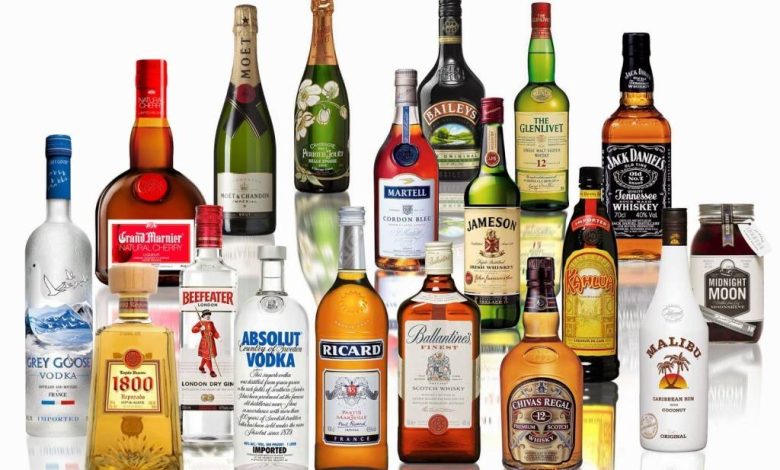
The National Authority for the Campaign Against Alcohol and Drug Abuse (NACADA) has proposed to set the minimum legal age for handling, purchasing, consuming and selling of alcohol at 21 years instead of the current 18.
Through the new National Policy for the Prevention, Management and Control of Alcohol, Drugs and Substance Abuse, NACADA also proposes to ban the use of direct and indirect price promotions, discount sales, provision of free alcohol, sales below cost and flat rates for unlimited drinking or other types of volume sales.
The new policy, which will regulate the size, packaging, packing, and labelling including ingredients, health warnings, messages, and pictorials on alcoholic drinks, has further sought to prohibit the sale of the drinks through vending machines; public beaches, public parks, amusement parks, recreational facilities, medical facilities, sports facilities, bus parks, bus stops, petrol stations, railway stations, public transport including trains, ferry stations, piers, and along the highways; and hawking.
Other models that would be prohibited are online sale of alcohol; home deliveries and couriers;
supermarkets; outlets selling products associated with children, such as toy shops; residential premises and areas;
restaurants; and basic education, tertiary, and higher learning institutions.
It further proposes that the licensing of any outlet retail (on-license and off-licence) or wholesale located within a minimum of 300 metres from any nursery, primary, secondary, and higher learning institutions be prohibited.
The policy has also seeks to ban the promotion, advertising, sponsorship, and marketing targeting children and persons under the age of 21 years-oriented events, learning institutions, including institutions of higher learning (including events such as sports, entertainment events, art & music competitions).
According to the new policy, advertising via audio-visual platforms between 5 am -10 pm (watershed hours) (including broadcast originating outside Kenya) shall be banned.
The policy also states that there shall be regulations on outdoor advertising of alcoholic drinks in relation to presentation and content and there shall be no promotion of alcohol by way of providing free samples or discounted sales.
It also seeks to ban outdoor advertising of alcoholic drinks in government-owned properties, land and facilities, hospitals, residential areas and buildings.
In addition, the new policy will also prohibit outdoor advertising of alcoholic drinks within a radius of 300 metres from education institutions, including institutions of higher learning; and that advertising, promotion, and marketing of alcoholic drinks shall be banned within all learning institutions.
NACADA has also proposes to outlaw promotion of alcoholic drinks by use of materials that are associated with persons under the age of 21 years.
Entertainment, sports personalities, media personalities and models, social media influencers, or celebrities will also be banned from endorsing, promoting and advertising alcoholic drinks, drugs and substances.
According to the new policy, any person used in advertising or endorsing alcoholic drinks shall be above 25 years and further, there shall be no lifestyle advertising through any form of advertisement or promotion.
“Any advertisement of alcoholic products shall be expected to give factual information, not emphasise the strength or merit of alcohol, not negatively cast abstinence from alcohol consumption, and shall
not depict alcohol consumption as a lifestyle.”
Online advertising and promotion and marketing of alcoholic products will also be banned (including broadcast originating outside Kenya) while advertisements and promotions shall not emphasize alcoholic
content as being a positive quality of the beverage.
“There shall be no production and broadcasting of music, film, stage plays and performances or any audio-visual programme that positively depicts and glorifies consumption of alcohol, drugs and
substances in an electronic or print media,” the policy further proposes.
It also seeks to ban all alcoholic products’ prize-oriented competitions and promotions that encourage more alcohol consumption in order for one to win.
The policy also proposes that a manufacturer, importer, distributor, wholesaler, retailer or any related agent of alcoholic drinks shall not name or brand a sports team by the name of an alcoholic drink’s product; and sponsor or brand a sports league, tournament or a national team.
There shall also be no promotion or advertisement of any alcoholic drink or substance by way of implying that it is acceptable or fashionable to consume alcohol and substances before, during, or after playing sports, driving, operating machinery, or other activities that require concentration to be carried out safely.