Mr President, corruption, not alcohol is Kenya’s existential threat
This is why corruption is not just a governance issue; it is an existential threat to Kenya’s future. It steals from the unborn, mortgages the nation’s potential and normalises injustice. It erodes trust in leadership and institutions, breeding cynicism and emotional numbness conditions closely linked to depression and substance abuse among the youth

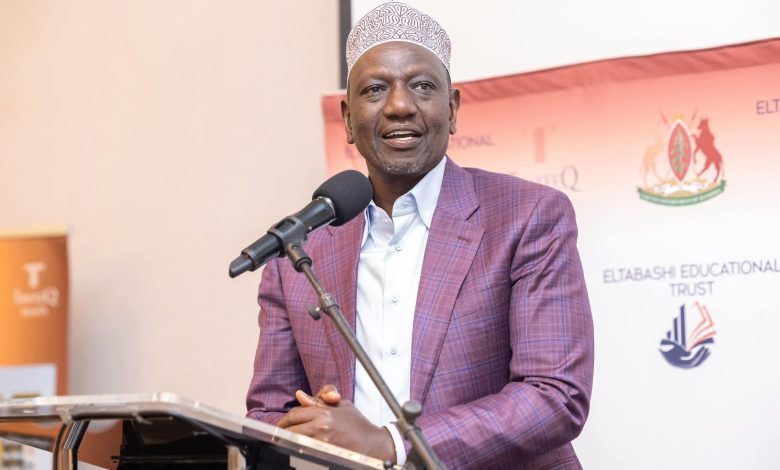
President William Ruto’s declaration that alcohol and substance abuse could soon be treated as a national emergency has reopened an important conversation about the social and economic health of the country.
Alcoholism is indeed devastating families, hollowing out communities and robbing young people of productive futures. Yet as urgent as the crisis is, it risks being misdiagnosed if treated in isolation. Kenya’s deeper, more corrosive emergency is corruption the systemic disease that creates the very conditions in which despair, addiction and social decay thrive.
Alcohol abuse does not emerge in a vacuum. It flourishes in environments marked by unemployment, hopelessness, inequality and broken institutions. For millions of young Kenyans, these conditions are not accidental, rather, they are the direct outcome of decades of grand corruption, tender fraud, state capture and the routine theft of public resources. When opportunities are stolen at the top, despair trickles down to the bottom.
Corruption robs the youth first and most brutally. Public funds meant for job creation, skills training and enterprise financing are siphoned off through inflated contracts and phantom projects. Development plans exist on paper, but on the ground young graduates roam streets with certificates and no prospects. In that vacuum of purpose and dignity, alcohol and drugs become coping mechanisms. Declaring substance abuse an emergency without confronting corruption is akin to treating a fever while ignoring the infection causing it.
The healthcare sector offers another stark illustration. Billions are allocated annually for hospitals, equipment and universal health coverage. Yet patients routinely encounter dilapidated facilities, drug shortages and unaffordable care. Corruption diverts money meant for cancer machines, maternity wards and rural clinics into private pockets. Families pushed into poverty by medical bills experience chronic stress, trauma and grief fertile ground for substance dependence. Alcohol abuse here is not the disease; it is a symptom of institutional failure.
Education, too, bears corruption’s fingerprints. Funds intended for classrooms, laboratories and feeding programmes are lost to mismanagement and graft. Children learn in overcrowded schools with demoralised teachers and inadequate materials. For many, education fails to become the ladder out of poverty it promises to be. When the social contract collapses early in life, the sense of abandonment can later manifest in self-destructive behaviour, including alcoholism.
Even security and law enforcement are compromised. Alcohol and drug networks thrive not only because of demand, but because corruption allows illegal brews, narcotics and trafficking rings to operate with impunity. Declaring war on substance abuse while tolerating bribery in enforcement agencies creates a contradiction that undermines policy credibility.
This is why corruption is not just a governance issue; it is an existential threat to Kenya’s future. It steals from the unborn, mortgages the nation’s potential and normalises injustice. It erodes trust in leadership and institutions, breeding cynicism and emotional numbness conditions closely linked to depression and substance abuse among the youth.
Addressing alcohol abuse as a national emergency is therefore incomplete without an equally forceful declaration that corruption is Kenya’s primary crisis. The fight against addiction must be integrated into a broader moral and institutional renewal. That means uncompromising accountability for high-level graft, transparent public spending, independent prosecution, and an end to the culture of impunity that protects politically connected offenders.
It also means restoring hope. Young people need to see that hard work is rewarded, not punished; that public resources serve the public, not elites; and that leadership is about service, not accumulation. Economic inclusion, credible healthcare, quality education and fair opportunity are the strongest deterrents to substance abuse.
Mr President, Kenya does not need to choose between fighting alcohol abuse and fighting corruption. But it must recognise the hierarchy of crises. Alcoholism is destroying lives, but corruption is destroying the foundations of the nation. To save the youth, heal families and secure the future, the elephant in the room must be confronted not just the symptoms it produces.