Middle East conflict deepens economic strain across Africa

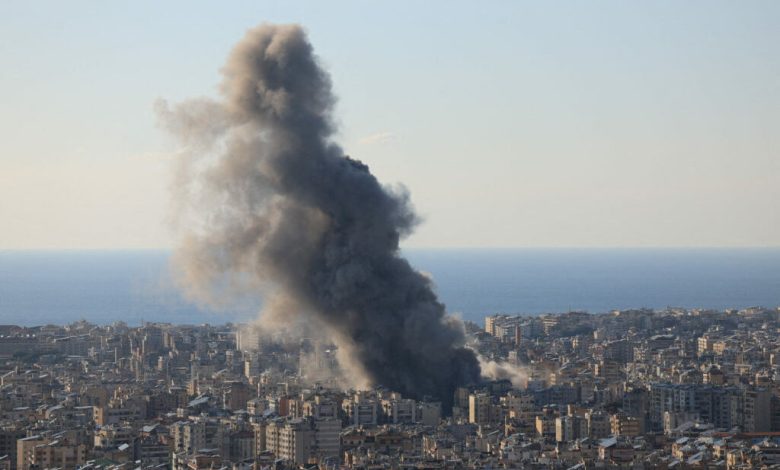
A fresh wave of global instability triggered by the ongoing Middle East conflict is tightening pressure on African economies, with rising fuel, food and fertiliser costs threatening livelihoods and slowing growth across the continent.
A joint policy brief by the African Development Bank (AfDB), African Union Commission (AUC), United Nations Development Programme (UNDP) and the United Nations Economic Commission for Africa (UNECA) warns that the shock is spreading rapidly, leaving countries with limited time to adjust.
The findings were discussed on the sidelines of the 58th Session of the Economic Commission for Africa in Tangier, Morocco, where leaders highlighted the far-reaching consequences of the crisis on Africa’s fragile economic recovery.
African Union Commission Chairperson Mahmoud Ali Youssouf cautioned that continued escalation of the conflict risks worsening global instability, with significant repercussions for energy markets, food security and economic resilience—especially in Africa, where vulnerabilities remain acute.
Already, global oil prices have surged by more than 50 per cent as of late March, while 29 African currencies have weakened.
This has sharply increased the cost of servicing external debt and importing essential commodities such as fuel, food and fertiliser.
The report further notes that disruptions in Gulf energy supplies are limiting access to key agricultural inputs like ammonia and urea during the critical March–May planting season.
The shortages are expected to reduce agricultural output, heightening the risk of food insecurity, particularly among low-income households and import-dependent economies.
Claver Gatete, UN Under-Secretary-General and Executive Secretary of UNECA, said Africa continues to bear the brunt of external shocks beyond its control.
“This moment calls for decisive action—not only to protect lives now but to accelerate Africa’s push toward energy security, food sovereignty and financial self-reliance,” he said.
Echoing the urgency, Ahunna Eziakonwa, UN Assistant Secretary-General and Director of UNDP’s Regional Bureau for Africa, stressed that strong leadership and coordinated policy responses will be key to navigating the crisis.
“With the right mix of policy choices, financing tools and political resolve, Africa can weather this shock and emerge more resilient,” she noted.
The brief outlines a three-pronged response strategy. In the short term, governments are urged to stabilise supplies of fuel, food and fertiliser while cushioning vulnerable households.
Medium-term measures focus on strengthening energy security, expanding targeted social protection and boosting intra-African trade under the African Continental Free Trade Area.
Over the long term, the institutions advocate for structural reforms aimed at enhancing domestic resource mobilisation and establishing stronger African financial safety nets, including accelerated implementation of the African Financing Stability Mechanism.
President of the African Development Bank Group Sidi Ould Tah said Africa must shift from reactive crisis management to proactive resilience building.
“As global shocks become more frequent, Africa’s response must evolve to safeguard its future,” he said.
The institutions conclude that deeper regional integration, increased investment in energy and agriculture, and stronger African-led financial solutions will be critical in helping the continent move from vulnerability to long-term economic stability.