Inside Kenya’s mercenary trap: Youth lured into Russia-Ukraine war as government play catch-up
The unfolding crisis has now pushed the government into reactive diplomacy as Mudavadi is expected to travel to Russia next month

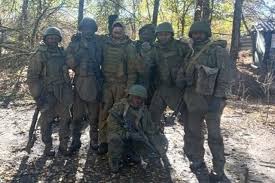
Fresh details emerging from the rescue of 27 Kenyans stranded in the Russian Federation have exposed a disturbing pipeline of illegal recruitment, human trafficking, and state failure that pushed young Kenyans onto the frontlines of the Russia-Ukraine war under false promises of work.
Prime Cabinet Secretary and Foreign Affairs CS Musalia Mudavadi has confirmed that the returnees were illegally enlisted into roles linked to the Russian military, with many believing they were travelling for legitimate jobs abroad.
Instead, they found themselves deployed to conflict zones, assembling military equipment, handling hazardous chemicals, or participating directly in combat, often without training, contracts, or protective gear.
Records indicate that most of the victims fell prey to shadowy recruitment networks operating across borders, exploiting desperation, unemployment, and weak migration controls.
Investigations now suggest that some of the Kenyans may have been trafficked out of the country through irregular channels, raising serious questions about Kenya’s ability to detect, disrupt, and prosecute human trafficking syndicates.
Despite repeated warnings over unsafe labour migration, recruitment agents continue to operate with little consequence.
Survivors interviewed by consular officials reportedly described confiscated documents, restricted movement, coercion, and threat as the hallmarks of human trafficking and forced labour under international law.
“We have facilitated the return of 27 Kenyans away from the frontline,” Mudavadi said this week, conceding that they were lured by false job offers that morphed into battlefield deployment. However, critics argue that these rescues came only after lives had already been lost and damage done.
The unfolding crisis has now pushed the government into reactive diplomacy.
Mudavadi has announced plans to visit Moscow in March, seeking direct engagement with Russian authorities to halt further recruitment of Kenyans and clarify how citizens were absorbed into military-linked operations in the first place.
While the Ministry of Foreign and Diaspora Affairs points to diplomatic interventions by Kenya’s mission in Moscow, the revelations underscore longstanding weaknesses at home—poor regulation of labour export agencies, limited intelligence on transnational trafficking rings, and inadequate public awareness on the risks of irregular migration.
The threat, officials now admit, goes beyond mercenary recruitment.
Mudavadi warned that Kenyan youth are increasingly being drawn into what he termed “forced criminality” abroad, including drug trafficking, forced labour, and even alleged organ trafficking schemes, often after being trafficked under the guise of overseas employment.
“There are many traps beyond the war debate,” Mudavadi said, acknowledging reports of exploitation, severe injuries, and psychological trauma among victims.
The government says returnees are enrolled in psycho-social support and reintegration programmes. But analysts argue that rehabilitation alone cannot mask a systemic failure to prevent illegal recruitment before it happens.
Even as President William Ruto pursues diplomatic channels to secure the release of Kenyans detained as prisoners of war in Ukraine, pressure is mounting on the state to confront uncomfortable questions on who facilitated these journeys and how Kenya’s intelligence networks were not able to pre-empt the human trafficking rackets.