How betting became a Kenyan habit — and why addiction is now a growing concern
Research has linked the rise in youth gambling to smartphone use, mobile money, peer influence, stress and the perception of betting as a route to quick income.

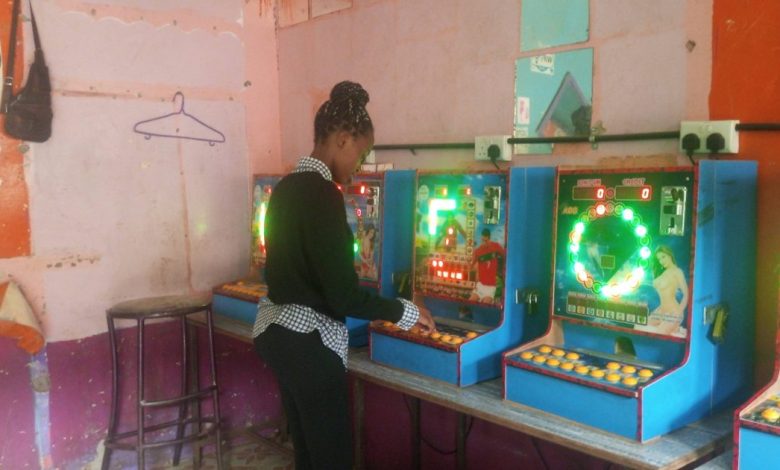
For a generation of Kenyans, gambling has moved from betting shops and traditional lotteries into the palm of the hand.
A smartphone, mobile-money account and a few shillings are now enough to place a wager within seconds, helping transform betting from an occasional pastime into a widely accessible digital activity.
The growth is reflected in recent data.
The 2024 FinAccess Household Survey found that 11.2 per cent of respondents were actively involved in betting, with participation highest among young men aged 26–35 at 15.2 per cent, followed by those aged 18–25 at 14.3 per cent. Urban participation stood at 14.4 per cent compared with 8.9 per cent in rural areas.
A separate GeoPoll survey of 4,191 young people across six African countries found that 79 per cent of respondents in Kenya had placed a bet in 2025, placing the country second behind South Africa.
Among gamblers across the surveyed countries, 94 per cent used mobile phones to place bets, underlining how smartphones have changed access to gambling.
Kenya’s gambling industry has a much longer history. Formal regulation dates back to 1966, when Parliament enacted the Betting, Lotteries and Gaming Act and established the Betting Control and Licensing Board.
For decades, gambling was largely associated with betting shops, lotteries, casinos and physical gaming premises.
The landscape changed dramatically with the spread of mobile phones, mobile money and internet connectivity.
Sports betting platforms could reach customers beyond physical betting shops, while services such as mobile-money payments removed much of the friction associated with placing and collecting bets.
Research has linked the rise in youth gambling to smartphone use, mobile money, peer influence, stress and the perception of betting as a route to quick income.
The financial scale has also expanded sharply. Government records show that betting firms contributed Sh96.7 billion in taxes between 2018/19 and February 2024/25, with annual collections rising from Sh8.5 billion to Sh22.3 billion in 2023/24.
Regulation has subsequently tightened. The Gambling Control Act, 2025, which commenced in August 2025, repealed the previous law and replaced the BCLB with the Gambling Regulatory Authority of Kenya. It provides for licensing of online gambling, real-time monitoring and measures to prevent underage gambling.
Operators must verify players’ ages, maintain player accounts and may not provide credit to fund wagers.
The evolution of the industry has therefore created a difficult balance between a significant revenue-generating sector and growing concerns about harmful gambling, particularly among young and economically vulnerable Kenyans.