Government adamant as leaders, experts warn on Safaricom shares undervaluation
Safaricom CEO Peter Ndegwa sought to calm fears, describing the deal as a shareholder realignment that would not alter Kenyan ownership, regulation, or oversight

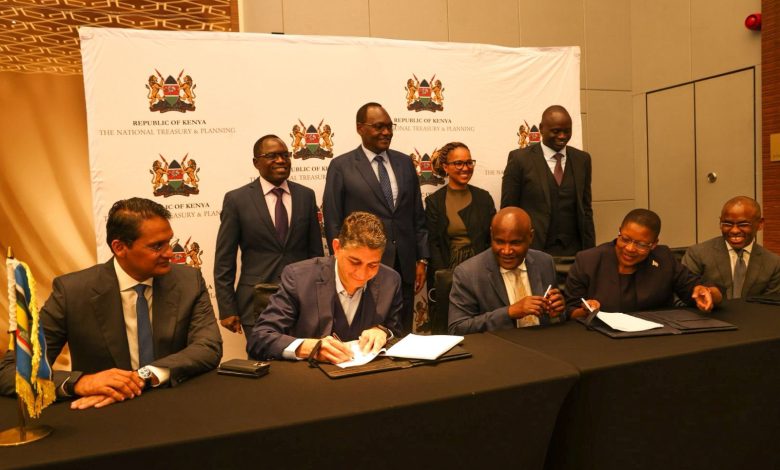
Kenya’s proposed sale of its 15 per cent stake in Safaricom PLC has triggered sharp resistance from lawmakers, civil society and financial experts, amid warnings that the country risks losing up to Sh80billion through an opaque and highly undervalued transaction.
Appearing before Parliament’s Joint Committee on Finance and Privatisation, Kiharu Member of Parliament (MP) Ndindi Nyoro faulted the Treasury for opting for a non-competitive block sale to Safaricom’s foreign strategic partner, Vodacom.
Nyoro argued that bypassing an international bidding process denied Kenya fair value, insisting the shares should trade at no less than Sh45 each rather than the proposed Sh34. At that price, he warned, taxpayers stand to forfeit tens of billions of shillings.
“We would just cut corners, sell government assets for free, and purport to be the only buyers in the market… who said he is the only buyer?… We should not be discussing anything below Ksh.45 per share, but we have been held hostage by the buyer that we are now running out of breath,” Nyoro said.
Consumer watchdog COFEK has formally petitioned Parliament to halt the deal, branding it “asset stripping” disguised as fiscal reform.
The federation raised alarms over valuation, governance, and constitutional compliance, warning that Safaricom, by virtue of M-Pesa’s dominance constitutes critical national financial infrastructure.
COFEK argued that selling during Safaricom Ethiopia’s capital-intensive phase unfairly transfers risk to Kenyans while denying them future gains once the subsidiary matures.
The petition also accuses the Executive arm of government headed by the president of violating Article 10 of the Constitution by failing to conduct meaningful public participation, at a time when trust in government fiscal decisions remains fragile following the controversial Public Finance Bill 2024.
Safaricom CEO Peter Ndegwa sought to calm fears, describing the deal as a shareholder realignment that would not alter Kenyan ownership, regulation, or oversight.
However, the Kenya Bankers Association proposed a compromise, reserving 300.4 million shares for Kenyan investors to deepen local ownership and capital markets.
Nyoro further accused the Communications Authority of Kenya (CA) of approving license waivers that allegedly triggered Sh80 billion in losses even before the transaction, and questioned multibillion-shilling advisory fees benefiting private entities.
While the Central Bank and COTU support the sale as a debt-relief measure, professional bodies including the Institute of Certified Public Accountants of Kenya (ICPAK), Law Society of Kenya (LSK) and opposition leaders warn that unresolved legal and valuation questions continue to shadow the transaction, urging Parliament to pause the process pending a forensic audit.