BusinessEducationHomeMain StoryNational NewsNewsSpecial Review
Co-op Bank Foundation inducts 56 new scholarship beneficiaries
The programme not only covers the cost of tuition and accommodation, but also offers the students an opportunity to intern at the Ban

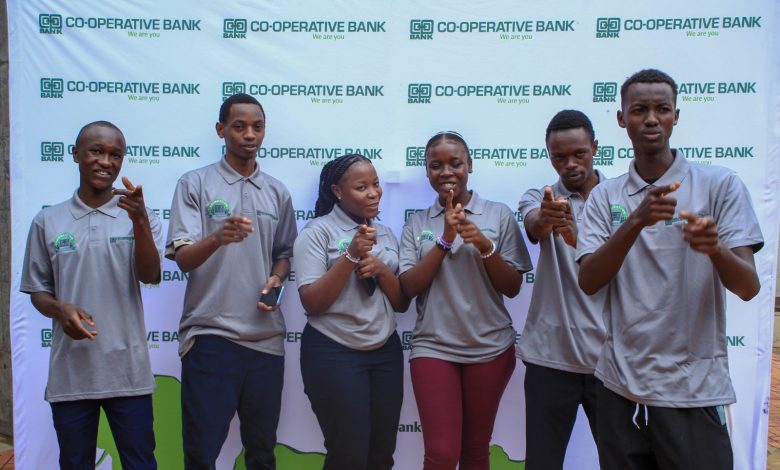
Fifty six bright students were inducted by the Co-operative Bank Foundation during its 14th Annual Pre-University Induction that begun last week under the Education Scholarship Programme.
Since 2007, the programme has empowered 11,000+ students with access to secondary education, achieving a 96 per cent completion rate and over 90 per cent university transition.
Samuel Kibugi, the Co-op Bank Company Secretary, reaffirmed its continued commitment to helping these future leaders achieve their dreams.
The programme not only covers the cost of tuition and accommodation, but also offers the students an opportunity to intern at the Bank. The students must also complete community service to learn the importance of giving back. The exposure from these experiences help the students grow holistically.
It also serves as a mentorship and orientation forum, preparing the students for the academic and social challenges of university life.
During the annual induction, some of the topics covered include personal finance, emotional intelligence, personal branding, discovering one’s purpose, what to expect in university and how to conduct yourself during an internship.
It also provides the students an opportunity to bond and network.
The programme, part of the bank’s Corporate Social Responsibility, has been instrumental in assisting high-performing but need students realise their dreams.
Despite the fact that primary school education is compulsory and free with secondary Education being further subsided, children from disadvantaged backgrounds continue to miss school due to financial or academic problems. The transition from primary school to secondary school is difficult for many with a marked overall dropout of about 40 per cent.
Kenya has made progress over the past few decades in making higher education more accessible. However, disparities persist in student access to colleges and universities. These disparities limit work and life opportunities for needy students.