DCI boss Amin emphasis on devastating impact of financial crimes
He outlined Kenya’s experience, citing challenges posed by the country’s strategic position as a regional trade hub and its rapidly expanding digital economy

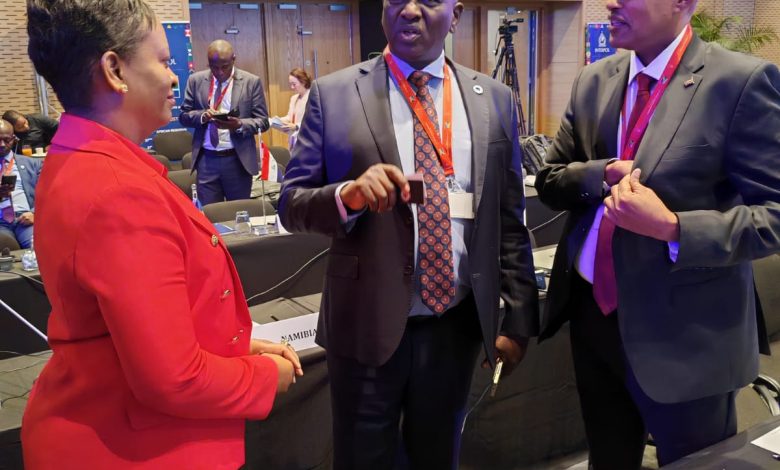
Director of Criminal Investigations Mohammed Amin has emphasised the devastating impact of financial crimes not just on economies, but on the everyday lives of citizens.
“When money is stolen through corruption or fraud, it’s not just figures on a spreadsheet, it’s schools not built, medicines not bought, and dreams denied,” he said.
Addressing the 27th INTERPOL African Regional Conference, currently underway in Cape Town, South Africa, Amin underscored that tackling these crimes is essential to achieving long-term, sustainable development.
He outlined Kenya’s experience, citing challenges posed by the country’s strategic position as a regional trade hub and its rapidly expanding digital economy.
In response, Kenya has implemented a series of reforms and measures, including: Amendments to laws such as the Conflict-of-Interest Act, strengthening of national and institutional coordination frameworks, enhanced record-keeping through case management systems, Guidance to prioritise financial investigations and Increased use of financial intelligence from partners such as INTERPOL.
Amin further shared best practices adopted by Kenya in combating financial crimes, including capacity building, inter-agency and cross-border investigations, specialised investigative techniques, prosecution-guided investigations, and legislative amendments.
He highlighted notable achievements such as landmark convictions, dismantling of criminal networks, major seizures of narcotics, firearms, wildlife trophies, confiscation of illicit properties, and strengthened collaboration with the private sector and foreign authorities.
The DCI called for unity in the fight against transnational crime.
“No single country or institution can win this battle alone. We must continue to build strong, cross-border partnerships and trust within our regional and global justice systems.”
The conference, which started on August 27, with delegates expected to forge new strategies and strengthen alliances in the collective fight against organised crime.