Alarm in Kenya as report links US Ebola isolation plan to Nairobi
The move is likely to spark backlash from Kenya, just like during Covid 19 Pandemic when the leadership then opposed Kenyans being used as guinea pigs for Covid jabs. Similarly, leaders and professionals are likely to spark debate over Kenya’s role as an Ebola control test nation.

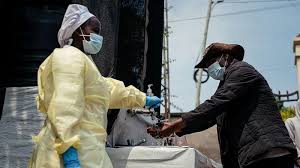
Concerns are mounting in Kenya over national preparedness for infectious disease outbreaks following renewed Ebola fears in the region, as fresh reports suggest the United States is considering using Nairobi as a quarantine and treatment hub for Americans exposed to the virus.
According to a report by The New York Times, the administration of US President Donald Trump is planning to send American citizens exposed to Ebola to Kenya for monitoring and possible treatment, instead of repatriating them to the United States, a move that has sparked debate over ethics, capacity, and global health responsibility.
The report, citing three people familiar with the discussions, indicates that the plan would see US Public Health Service officers deployed to Kenya to oversee care for individuals deemed at high risk of developing Ebola.
The move is likely to spark backlash from Kenya, just like during Covid 19 Pandemic when the leadership then opposed Kenyans being used as guinea pigs for Covid jabs. Similarly, leaders and professionals are likely to spark debate over Kenya’s role as an Ebola control test nation.
Initially, exposed individuals were to be monitored in Kenya and later transferred to Europe if they became symptomatic, but the updated proposal now includes full treatment within Kenya.
The reported plan marks a significant departure from previous US policy during infectious disease outbreaks, when exposed citizens were typically evacuated to specialised treatment units in the United States. The US government has not publicly confirmed the proposal.
Health experts quoted in the report have raised concerns over the shift, warning that it could place undue strain on Kenya’s health system and may not match the level of specialised care available in established US bio-containment facilities.
The development comes as Ebola outbreaks in the Democratic Republic of Congo continue to worsen, with reports indicating more than 1,000 cases and over 200 deaths within a short period since the outbreak was declared. The rapid spread has been attributed to conflict, weak surveillance systems and disrupted health infrastructure.
At the same time, Kenyan lawmakers have raised alarm over the country’s readiness to handle a possible outbreak, especially following recent Ebola alerts in parts of the region.
Appearing before the Parliamentary Health Committee, Khwisero MP Christopher Aseka questioned whether the Ministry of Health had adequate systems in place to respond to a potential Ebola outbreak, asking, “Is the Ministry prepared for Ebola, noting the outbreak?”
Health Committee Chairperson James Nyikal urged the Ministry to present a comprehensive national emergency preparedness and response plan, warning that any gaps could expose the country to serious public health risks.
According to parliamentary reports, the government has allocated Ksh700 million under the Health Emergency Preparedness, Response and Resilience Programme to strengthen outbreak response systems, including procurement of emergency equipment.
The Budget Committee, led by Vice Chair Robert Pukose, has also been reviewing the 2026/27 health sector estimates, with emphasis on improving financing, staffing levels and disease preparedness as part of broader efforts toward Universal Health Coverage.
Budget Committee Chair Samuel Atandi stressed the need for stronger investment in healthcare personnel and sustainable funding for public hospitals, noting that most Kenyans depend on the public health system.
The Health Committee report further shows that the health sector has been allocated Sh175.5 billion in the 2026/27 financial year, representing 7.29 per cent of the national budget.
Nyikal also warned that national referral hospitals were under significant strain due to staffing shortages, despite increasing demand for specialised services.
“Our national referral facilities are suffering particularly in the area of human resource,” he said, adding that additional funding for major referral and teaching hospitals would help improve service delivery.
Lawmakers have also called on the Ministry of Health and the Social Health Authority (SHA) to address delayed reimbursements to hospitals, warning that payment backlogs are affecting service delivery and contributing to mounting pending bills in public facilities.
As concerns over Ebola preparedness grow, the emerging debate over the reported US proposal has added a new layer of scrutiny to Kenya’s health system readiness and its capacity to handle high-risk infectious disease cases should the plan proceed.