Advocate Cecil Miller urges Kenyans to secure estates through wills, trusts

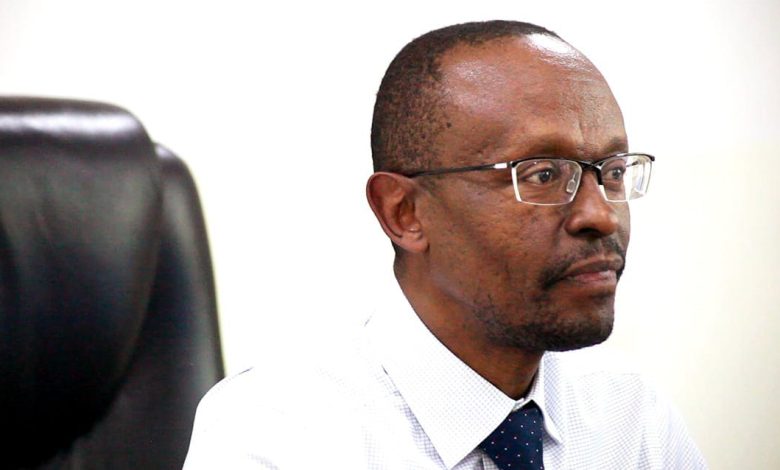
Advocate Cecil Miller has urged Kenyans to formally organise their estates through wills, trusts and beneficiary nominations to protect families from succession disputes, financial hardship and prolonged legal battles after death.
Speaking during a webinar held on Friday, May 15, 2026, Miller said many families face avoidable conflict because individuals fail to plan for the distribution of their assets while still alive.
The webinar, titled Wills, Trust & Nomination of Beneficiaries, focused on inheritance law in Kenya, intestate succession, trusts, SACCO benefits and the rights of dependants under the Law of Succession Act.
“It is better to put your house in order than leave your beneficiaries at risk,” Miller said during his closing remarks.
During the session, the advocate explained that Kenyan law recognises oral wills, but noted that such wills are generally valid for only three months unless they involve exceptional cases such as military personnel engaged in active operations or sailors at sea.
He said oral wills must also be made before competent witnesses.
On written wills, Miller clarified that both handwritten and typed wills are legally acceptable provided they are properly signed, dated and witnessed by at least two competent witnesses present during execution.
He further noted that electronic signatures are currently not recognised for wills in Kenya.
The discussion also addressed intestate succession, where a person dies without leaving a valid will. Miller observed that courts have increasingly moved to address historical inequalities that disadvantaged women under succession laws.
“A woman’s rights cannot be taken away if she remarries,” he said while discussing protections available to surviving spouses under the Law of Succession Act.
He added that dependants who can prove they were maintained by the deceased may still claim part of the estate even if they are not formally listed as beneficiaries.
“If you die intestate, as long as they can prove you took care of them, they can come claim your estate,” he explained.
Miller also noted that adult dependants may challenge wills in court if they believe they were unfairly excluded.
The webinar further explored the legal distinction between joint tenancy and tenancy in common in property ownership.
According to Miller, joint tenancy allows surviving owners to automatically inherit a deceased person’s share through the principle of survivorship.
“In joint tenancy, a group shares land and each owns a share of the whole,” he explained.
On trusts, the advocate described them as flexible estate planning tools capable of operating beyond the death of the creator through trustees or company structures.
“A trust supersedes a will, but you can have both,” Miller said, adding that trusts offer continuity and greater operational flexibility than wills.
He also addressed beneficiary nominations in SACCOs and employment records, warning that nominee declarations can override family expectations if properly filed.
“If you nominate someone and marry someone else, the person listed in the nominee form takes priority,” he stated.
Miller clarified that “next of kin” in many employment and SACCO records often refers only to an emergency contact person unless specifically designated as a beneficiary.
He advised participants to regularly review and align their nominee and next-of-kin details with their actual intentions to avoid future disputes.
The advocate further addressed inheritance issues involving separated couples, noting that spouses who are legally married but not formally divorced may still inherit from each other regardless of long-term separation.
On taxation, Miller said inheritance itself is generally exempt from tax in Kenya, although taxes such as capital gains tax and stamp duty may arise later depending on how inherited property is handled.
Throughout the webinar, he repeatedly encouraged Kenyans to undertake estate planning early enough to safeguard beneficiaries and minimise family conflict after death.