WHO Chief heads to DRC as authorities battle deadly Ebola outbreak
Unlike most previous Ebola outbreaks in the DRC, which were caused by the Ebola Zaire strain and could be treated with existing vaccines and therapies, the current outbreak is linked to the Bundibugyo strain. There are currently no approved vaccines or treatments specifically designed for this variant.

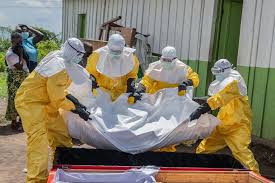
The World Health Organisation (WHO) Director General Tedros Adhanom Ghebreyesus is set to travel to the Ebola stricken East African country, the Democratic Republic of the Congo (DRC) as authorities intensify efforts to contain the country’s 17th Ebola outbreak.
The Eastern province of Ituri is the hardest hit with the ravaging deadly Ebola strain.
In a message posted on social media platform X on Thursday, May 28, 2026, Tedros expressed solidarity with communities affected by the outbreak and praised frontline health workers battling the disease under difficult conditions.
“I want you to know that you are not alone,” Tedros said, addressing residents and healthcare workers in Ituri, where the first case was recorded and where nearly 90 percent of patients are currently being treated.
“I am coming to Bunia. I will be there in person, alongside my colleagues, meeting your leaders, listening to your concerns, and doing everything in my power to help you,” he added.
The visit comes as Congolese authorities race to curb the spread of the virus.
According to the latest government figures, the outbreak has resulted in 121 confirmed cases and 17 confirmed deaths.
So far, the authorities have also recorded 1,077 suspected cases and 246 suspected deaths, warning that the true scale of the outbreak may be significantly higher.
Unlike most previous Ebola outbreaks in the DRC, which were caused by the Ebola Zaire strain and could be treated with existing vaccines and therapies, the current outbreak is linked to the Bundibugyo strain. There are currently no approved vaccines or treatments specifically designed for this variant.
However, health authorities say efforts are underway to address that gap. Africa Centres for Disease Control and Prevention (Africa CDC) Director-General Jean Kaseya said researchers are working to develop both vaccines and treatments for the Bundibugyo strain.
“What we can tell you for sure, by the end of this year, 2026, Africa CDC will make sure that we have a vaccine and medicine against Bundibugyo,” Kaseya told reporters on Thursday.
Later in the day, the WHO cautioned that any experimental vaccines or treatments for the Bundibugyo strain should only be administered within controlled clinical trials as experts continue to evaluate their safety and effectiveness.
Eastern DRC remains plagued by armed groups that have operated in the region for years, while mistrust of authorities and resistance to public health measures have hampered response efforts.
Health facilities have also come under attack, forcing some operations to be suspended.
In his message, Tedros appealed directly to armed groups operating in the region to allow health workers safe access to affected communities.
“Please, declare a ceasefire. Even briefly. Even just enough to let health workers through,” he said.