US, Iran yet to resolve key issues as ceasefire deal hangs in balance
Meanwhile, tensions on the ground continue to threaten the fragile ceasefire. Both Washington and Tehran have accused each other of violating the truce in recent days

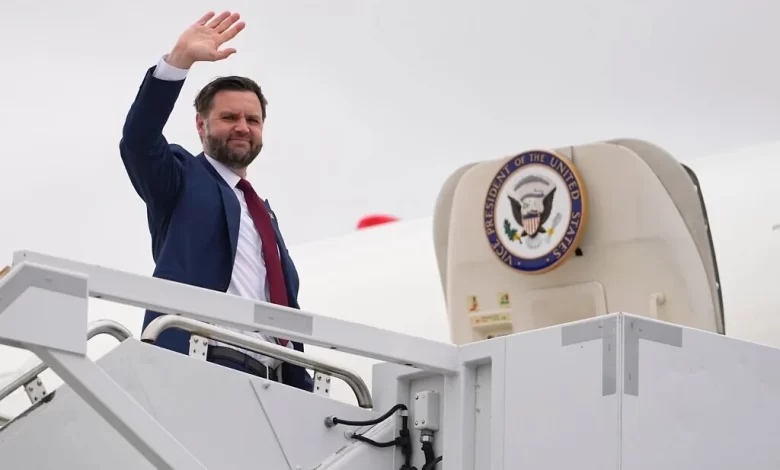
The United States of America (USA) and Iran remain at odds over several critical issues despite progress toward a broader agreement aimed at extending a fragile ceasefire and paving the way for talks on Tehran’s nuclear programme.
Speaking to reporters on Thursday, May 28, 2026, US Vice President JD Vance said negotiators were still working through a number of sticking points, particularly regarding Iran’s stockpile of enriched uranium and future uranium enrichment activities.
“We’re not there yet, but we’re very close and we’re going to keep on working at it,” Vance said, adding that discussions were continuing over specific language in the proposed memorandum of understanding (MOU).
“It’s hard to say exactly when or if the president is going to sign the MOU. We’re going back and forth on a couple of language points,” he said. “I can’t guarantee that we’re going to get there, but right now I feel pretty good about it.”
Vance also struck an optimistic tone, saying Washington believes Tehran is negotiating in good faith and noting that the United States remains in a position to significantly set back Iran’s nuclear programme if diplomacy fails.
Earlier on Thursday, US officials indicated that Washington and Tehran had reached a framework agreement to extend their ceasefire for 60 days and ease restrictions on shipping through the strategically important Strait of Hormuz, pending approval by President Donald Trump and Iran’s leadership.
However, Iran’s semi-official Tasnim news agency disputed those reports, saying no final agreement had been reached or confirmed, highlighting the uncertainty that continues to surround the negotiations.
Reports indicate that the proposed arrangement would allow both sides additional time to negotiate a more comprehensive settlement focused on Iran’s nuclear programme.
The deal reportedly includes provisions to restore unrestricted maritime traffic through the Strait of Hormuz and requires Iran to remove mines from the waterway within 30 days.
The United States would also lift its naval blockade and grant sanctions waivers enabling Iran to resume oil exports. One-fifth of the world’s oil and liquefied natural gas shipments normally pass through the Strait of Hormuz, making its reopening a key concern for global energy markets.
The issue of Iran’s enriched uranium stockpile remains one of the most contentious aspects of the talks.
Washington has long insisted that Tehran halt production of highly enriched uranium and dispose of existing reserves, which could potentially be used in the development of nuclear weapons.
President Trump has previously suggested the stockpile could either be transferred out of Iran or diluted under international supervision.