WADA tightens anti-doping testing rules for Olympic and Paralympic games
WADA’s Executive Committee unanimously approved the measures on Thursday, September 10, 2026, alongside the 2027 List of Prohibited Substances and Methods.

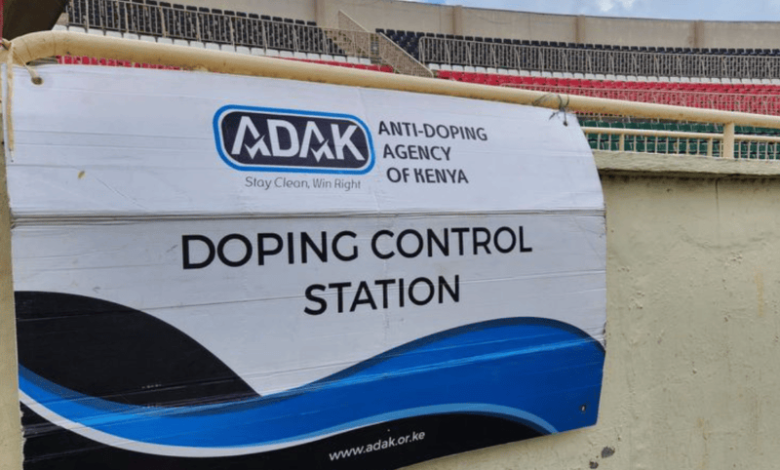
The World Anti-Doping Agency (WADA) has approved new measures designed to strengthen the independence of anti-doping testing at the Olympic and Paralympic Games, despite opposition from the United States.
WADA’s Executive Committee unanimously approved the measures on Thursday, September 10, 2026, alongside the 2027 List of Prohibited Substances and Methods.
The new testing rules will take effect on January 1, 2027, and will prevent host National Anti-Doping Organizations (NADOs) from participating in test distribution planning or selecting athletes for testing during the Olympic and Paralympic Games.
Host NADOs and sample collection personnel from the host country will also be barred from testing athletes representing that country, unless such arrangements are not reasonably practicable.
WADA President Witold Banka said the reforms were necessary to strengthen confidence in the global anti-doping system and eliminate potential conflicts of interest.
“I welcome today’s unanimous decision by the Executive Committee, which further strengthens the credibility of the global anti-doping system,” Banka said.
“Ultimately, it was agreed that independence was needed to bolster athlete confidence, to protect NADOs from possible criticism, and to ensure the integrity of the system.”
WADA Athlete Council Chair Ryan Pini stressed that the decision should not be interpreted as criticism of national anti-doping organisations, saying removing potential conflicts wherever possible would strengthen trust among athletes.
WADA Director General Olivier Niggli, however, acknowledged concerns raised by stakeholders about the additional costs and logistical challenges associated with implementing the measures.
The reforms come despite opposition from the United States. In a September 4 letter to IOC President Kirsty Coventry, US Office of National Drug Control Policy Director Sara Carter urged US representatives on the WADA Executive Committee to reject the changes.
Carter argued that the measures could raise costs, create logistical challenges for organisers of the 2028 Los Angeles Olympics and undermine efforts to deliver what she described as the “cleanest Olympic Games in history”.
The United States had automatically lost its seat on WADA’s Executive Committee after failing to pay its 2024 annual contribution.
The Executive Committee also approved the 2027 Prohibited List, which contains limited changes from the current version. WADA said the updated list will be published before October 1 and come into force on January 1, 2027.