Tobacco Bill sparks business backlash over licences, flavour ban
Retailers, entertainment operators and harm-reduction stakeholders warn proposed law could raise costs, hurt jobs and drive consumers to illicit products as business groups warn the Bill could fuel illicit trade

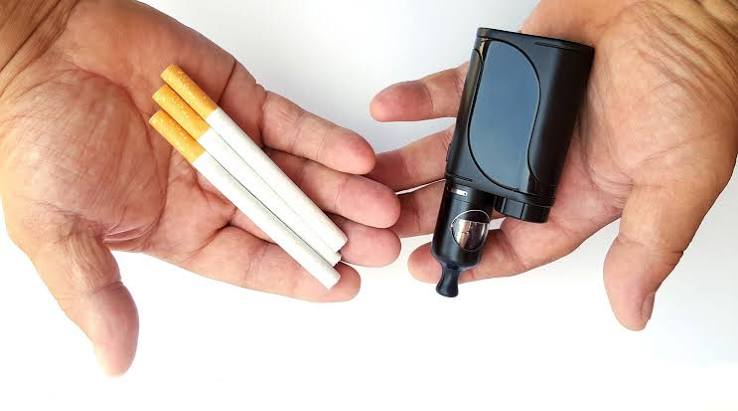
Stakeholders in Kenya’s retail, entertainment and harm-reduction sectors have urged parliament to review contentious provisions of the proposed Tobacco Control (Amendment) Bill, 2026, warning that some of the measures could increase the cost of doing business, disrupt legitimate trade and fuel the illicit tobacco market.
The stakeholders said the Bill, in its current form, risks imposing additional regulatory and licensing burdens on businesses already grappling with rising operating costs, while creating market distortions that could give illegal traders an advantage over compliant enterprises.
They spoke in Nairobi on Thursday, September 24, 2026 during a public participation exercise conducted by the National Assembly Departmental Committee on Health, as parliament gathers views on the proposed amendments before consideration of the Bill.
While supporting efforts to reduce the harmful effects of tobacco use and strengthen regulatory oversight, the stakeholders called for an evidence-based approach that protects public health without undermining legitimate businesses, employment and government revenues.
The Retail Trade Association of Kenya (Retrak) said the proposed requirement for retailers to obtain a separate licence to sell tobacco products would add another layer to an already complex licensing regime.

Retrak Chief Executive Officer (CEO) Wambui Mbarire said businesses, particularly small and medium-sized enterprises, are already struggling with multiple licences and rising operational expenses.
“With an already existing licence burden – for instance, on average a supermarket requires 39 licences to operate – this bill puts in a new license that a retailer must get to sell tobacco,” Mbarire said.
She questioned the need for another licence when businesses already operate under unified licensing arrangements.
“So, we feel that there’s already enough regulation and there are already enough licenses for retailers and businesses. An additional license defeats the purpose of a unified business permit,” she said.
Mbarire warned that the additional requirement would further complicate the operating environment and increase compliance costs.
“One more licence just complicates the environment of the ease of doing business and the cost of doing business and defeats the purpose of a unified business permit or a single licence regime,” she said.
The Pubs, Entertainment and Restaurants Association of Kenya (PERAK) also raised concerns over what it described as duplication in the proposed licensing framework.
PERAK national chairman Michael Kiragu said requiring businesses to hold both a general operating licence and a separate licence to sell tobacco products would impose an unnecessary burden on legitimate traders.

“We have a real concern with the multiple licenses being proposed by this Bill namely, one for traders to operate their businesses and a specific one to sell tobacco products. This will overburden businesses because it will be a duplication of the licensing regime,” Kiragu said.
The stakeholders argued that increasing the compliance burden on legitimate businesses without addressing enforcement against illegal traders could have unintended consequences, including driving part of the market underground.
A separate battle is emerging over a proposal to ban flavours in tobacco products.
The Bars, Hotels and Liquor Traders Association of Kenya (BAHLITA) said a blanket ban on flavoured tobacco products could create an opportunity for illicit operators to fill the gap in the legal market.
BAHLITA secretary-general Boniface Gachoka said lawmakers should distinguish between flavours generally and those specifically designed to appeal to children.
“There is no need to ban flavours in tobacco products. We already have flavours in alcohol, cakes and food,” Gachoka said.
He said the focus should instead be on products and flavours that appeal specifically to children.
“The only thing we are saying is that we want to remove child appealing flavours,” he said.
Gachoka warned that a broad prohibition could result in a surge in illicit tobacco products, potentially hurting compliant businesses while depriving the Government of legitimate tax and licensing revenues.
“Otherwise banning flavours in tobacco products is simply going to see the incidence of illicit trade in tobacco products balloon significantly and thereby negatively impacting our businesses,” he said.
The stakeholders further warned that consumers could turn to unregulated products if legal alternatives were restricted, raising concerns over the ability of authorities to monitor products circulating outside the formal market.
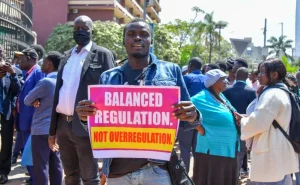
They urged parliament to ensure that any restrictions introduced through the Bill are matched by effective enforcement mechanisms capable of preventing illegal operators from exploiting regulatory gaps.
The debate places public health objectives at the centre of a broader question over how Kenya should regulate tobacco products without inadvertently weakening legitimate businesses and formal employment.
The stakeholders maintained that they support stronger tobacco-control measures but said regulation should be proportionate, evidence-based and designed to achieve its intended public health outcomes without creating incentives for illegal trade.
The National Assembly Committee on Health is conducting public participation exercises in Nairobi, Uasin Gishu, Bungoma, Kisumu, Meru, Tharaka Nithi and Laikipia counties.
The engagements began on Thursday and will continue through the weekend, giving stakeholders and members of the public an opportunity to submit views on the proposed amendments.

The consultations come as parliament prepares to resume sittings on Tuesday next week following its recess, with lawmakers expected to continue considering legislative proposals before the House.
The business community are also agitating to have tobacco-control measures that strengthen public health safeguards while preserving a viable formal market and not opening loopholes for illicit tobacco trade.
The stakeholders want parliament to reconsider the additional licensing requirements and the proposed flavour restrictions, arguing that the final legislation should avoid imposing unnecessary costs on compliant businesses or creating conditions that could allow illicit operators to thrive.
They also called for a regulatory framework that strengthens oversight and protects consumers while maintaining legitimate trade, employment and government revenue across the tobacco and hospitality value chains.