Kenya launches ‘Early Warnings for All’ initiative to enhance disaster preparedness
It will serve as a catalyst for action, ensuring that individuals and institutions across the country are empowered to respond to disasters before they strike

Kenya has officially launched a national Early Warnings for All (EW4All) initiative marking a major step towards protecting lives and livelihoods from disasters.
The launch was followed by a three-day national workshop, which ends tomorrow, whose main agenda is to tailor United Nations’ ‘Early Warnings for All’ initiative to the risk profile and needs of Kenya.
It brought together national authorities, stakeholders, and international partners to develop an implementation roadmap for expanding the coverage and effectiveness of multi-hazard early warning systems (MHEWS).
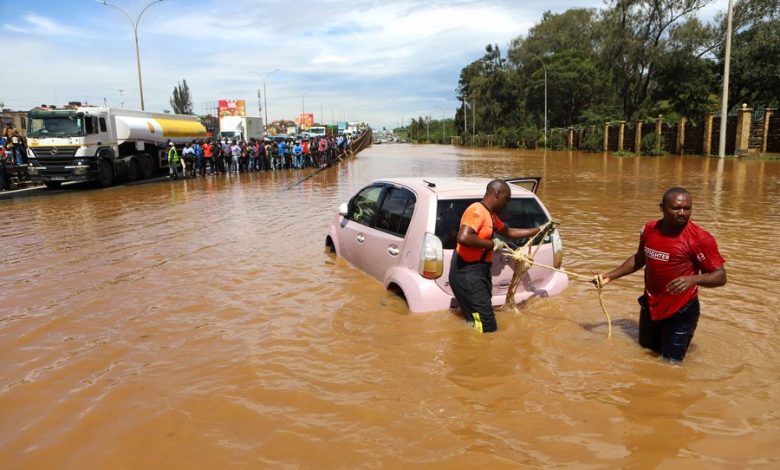
Over recent decades, Kenya has faced increasing climate-related disasters, particularly droughts and floods, which have severely impacted communities, especially in the Arid and Semi-Arid Lands (ASAL) regions. In 2024, the March-April-May floods affected around 410,000 persons, claimed 315 lives and caused damage that amounted to Ksh 187 billion (US$ 1.5 Billion).
To reduce these disaster losses, Kenya joined the global EW4All initiative in a demonstration of its commitment to saving lives and the country’s hard-fought development gains. The launch of EW4All in Kenya underscores the urgent need to shift from reactive disaster response to proactive anticipatory action, while ensuring that no one is left behind when disasters strike.
Environment, Climate Change and Forestry Cabinet Secretary Dr Deborah Barasa said: “Every Kenyan – regardless of where they live or what language they speak- deserves access to life saving information before disaster strikes. This Initiative will do exactly that. Let us therefore unite, collaborate, engage, and build an Early Warning System in Kenya that will reduce loss of life and livelihoods, bolster food security, and build a more resilient Kenya for generations to come”. She also announced that “5 percent of the national Disaster Risk Management budget will be allocated to upgrading early warning systems across all relevant institutions”.
Kenya is not new to early warning systems and has been making notable progress in advancing this work. The country engages in ambitious efforts, such as the development of the “Kenya Anticipatory Action Roadmap 2024 – 2029”, and hosts key institutions including the IGAD Climate Prediction and Application Centre (ICPAC) which co-organised this event.
Kenya’s leadership role was reinforced by the designation of President Dr William Samoei Ruto as the World Meteorological Organisation Champion for the EW4All Initiative in Africa, during the Africa Climate Summit in 2023.
To strengthen inclusive early warning in the country, the workshop will provide a platform to coordinate efforts, strengthen disaster governance, and enhance Kenya’s capacity for real-time monitoring and forecasting of natural hazards.
The United Nations Resident Coordinator in Kenya Dr Stephen Jackson reaffirmed the commitment of the United Nations “to support a successful implementation of the initiative” and stressed the importance of the Early Warning Roadmap that will “serve as a strategic guide to drive initiatives at both national and local levels, channel investments towards enhancing Early Warning Systems for more effective Disaster Risk Reduction and facilitate the seamless integration of comprehensive early warning mechanisms.”
This initiative will serve as a catalyst for action, ensuring that individuals and institutions across the country are empowered to respond to disasters before they strike.