Sh41.9billion Bomas upgrade project marred by procurement breach, audit reveal


The Sh41.9billion renovation of the Bomas of Kenya has come under intense scrutiny after Auditor-General Nancy Gathungu flagged serious breaches in procurement and financing, raising fresh questions over transparency in one of the government’s flagship infrastructure projects.
The audit findings emerge even as former Deputy President Rigathi Gachagua alleged that a Turkish investor had quietly taken over ownership of the iconic cultural centre claims government officials have strongly denied.
Together, the allegations and audit queries paint a picture of a project mired in controversy, opaque decision-making, and potential legal exposure for senior officials.
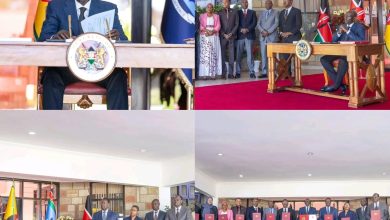
The Auditor-General’s report, tabled in Parliament alongside the Ministry of Defence’s audited accounts, reveals that Principal Secretary Patrick Mariru authorised direct procurement for the redevelopment on February 17, 2025, despite an ongoing tender process.
According to the audit, this move contravened the Public Procurement and Asset Disposal Act of 2015, which strictly limits the use of direct procurement and bars retroactive approvals unless there is demonstrable urgency.
“This was contrary to the Public Procurement and Asset Disposal Act of 2015,” the report states.
It further warns that management breached the law and that the government risks incurring penalties and additional charges in the event of delayed payments arising from irregular commitments.
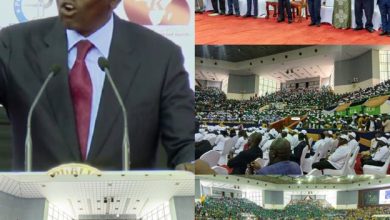
At the centre of the controversy is the transformation of Bomas of Kenya into the proposed Bomas International Convention Centre (BICC), a mega facility expected to expand seating capacity to 11,000.
The redevelopment has been marketed as a strategic investment to position Kenya as a regional hub for high-level conferences and cultural exhibitions. However, the audit suggests that the path to achieving this vision may have sidestepped key legal safeguards designed to protect public funds.
Section 69 (2) of the procurement law explicitly prohibits retrospective approvals unless the procurement addresses an urgent and unforeseen need.
The Auditor-General found no clear evidence that such urgency existed to justify bypassing standard competitive procedures.
Further complicating matters are inconsistencies in the project’s financing model. While the contract reportedly required nine instalments to be paid over 24 months, the National Treasury approved a 10-year deferred payment plan.
The mismatch raises concerns about whether the revised repayment structure altered the financial obligations without proper contractual amendments or parliamentary oversight.
Former Tourism Fund Board of Trustees Chair Samson Some sought to clarify the funding structure, explaining that Phase II renovations are supported through a Public-Private Partnership financed by Tourism Fund levy collections.
“A percentage of our levy collection will be committed annually by the fund as a repayment to the people who are investing in the project,” he said, dismissing claims of a sale.
Those claims were amplified by Gachagua, who alleged that a Turkish investor had effectively taken over ownership of Bomas.
Government officials have rejected the assertion, maintaining that the arrangement merely mobilises private capital without transferring ownership of the national asset.
The audit also notes a shift in procurement responsibility. Initially overseen by the State Department for Culture, Arts and Heritage under Principal Secretary Ummi Bashir, the project was later transferred to the Ministry of Defence for design, construction and equipping which is an unusual move that raises additional governance questions.