North Eastern schools turn deadly for ‘outsider’ teachers, TSC under pressure

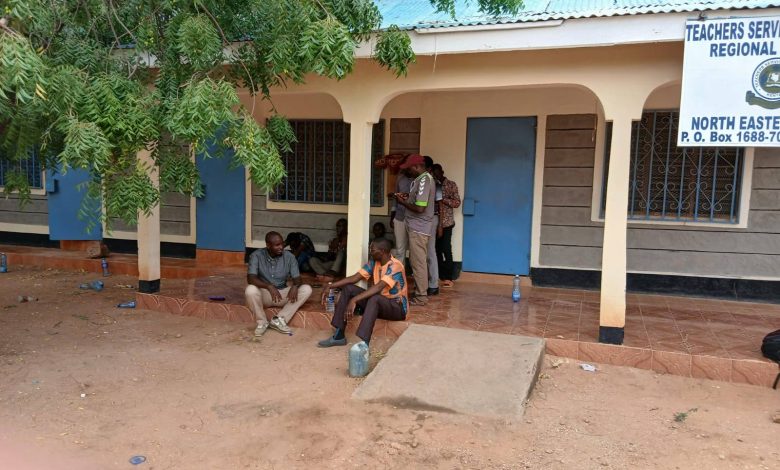
Hundreds of non-local teachers from North Eastern Kenya have staged a protest at the Teachers Service Commission (TSC) headquarters in Nairobi, demanding immediate transfers to their home counties.
They cite extreme insecurity, persistent threats from Al-Shabaab militants, and hostility from some local communities, which they say have made teaching in the region a matter of life and death.
The January 26, 2026 attack claimed the life of a teacher at Hulugho Primary School, sparking fears within the teaching fraternity over a resurgence of the armed militia, which has roots in volatile Somalia.
The teachers say they are traumatised and fear for their safety. Many have served in the region for over six years, yet their requests for transfers have been repeatedly denied.
Concerns over renewed attacks targeting non-local teachers prompted the government to act swiftly and deploy a multi-agency team to bolster security and ensure teachers continue offering services under safe conditions.
The Ministry of Education said it is alive to the possibility that the Hulugho incident could trigger a mass exodus of teachers from the region, similar to previous years when al Shabaab attacks were more frequent.
Many teachers claim to have endured traumatic experiences, including being forced to sleep in trenches for protection while on duty.
Some recounted the deaths of colleagues in previous attacks, highlighting a continuing pattern of violence against non-local educators in the region. Despite repeated government assurances about enhanced security measures, the teachers say they will not return until guarantees of their safety are concrete and verifiable.
The Education Cabinet Secretary Julius Ogamba has urged them to remain in their posts, stressing the importance of continuity in learning.
“Our team from Interior and TSC went up there to find out what happened and we’ve been assured by the Ministry of Interior that all our teachers, not just in Northern Kenya but across the country, will continue being granted security so that they perform their duties,” Ogamba said.
He spoke on Sunday outside the Aga Khan hospital after visiting three of the 26 teachers who were injured on Saturday after a matatu rammed into teachers participating in union elections at City Primary School, Ngara, Nairobi.
“I know that there are some teachers who are asking that they be moved. We have requested them that they stay put as the government is assuring them of security in the areas where they work.”
However, teachers argue that government presence on paper does not reflect the reality on the ground.
North Eastern Kenya has a long history of targeted attacks against educators from other counties.
In 2017, at least three non-local teachers were killed in Mandera County in separate incidents attributed to Al-Shabaab militants, who have repeatedly attacked schools as part of their terror campaign.
In 2019, another teacher from Isiolo was murdered in Wajir while commuting between school and residence, prompting calls for evacuation of non-local staff.
Community tensions have also contributed, with some local residents viewing outsiders with suspicion, further complicating security arrangements.
These attacks are not isolated. Security reports and media investigations indicate that over the past decade, non-local teachers in North Eastern Kenya have been victims of at least a dozen fatal attacks, kidnappings, and assaults. Many of these incidents occurred in areas near the Somali border, which remains porous and vulnerable to cross-border militant activity.