New gender-focused agroecology training module to empower women
Through nine modules covering 24 sessions, the manual integrates ecological knowledge with gender-transformative approaches

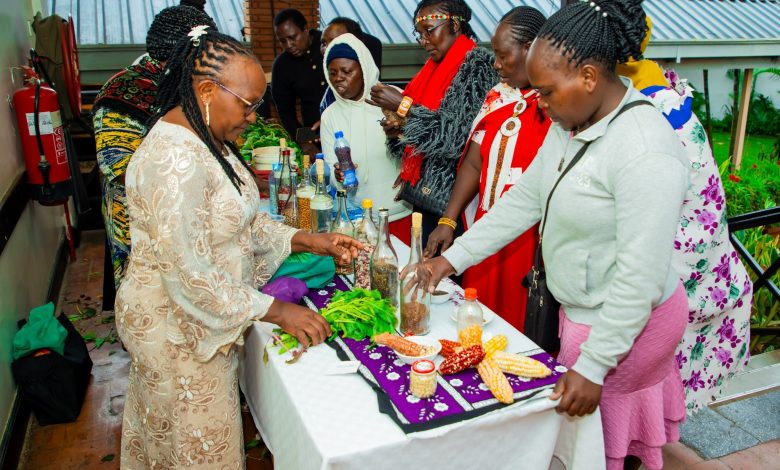
Smallholder farmers in Kenya will now have their lives transformed through agriculture and other natural resource-related activities following the launch of the Gender Transformative Agroecology Training Module developed by GROOTS Kenya.
The module, which was developed under the Rural Women Cultivating Change (RWCC) project, with support from HIVOS, Seed Savers Network, and Global Affairs Canada, aims to empower women in particular and promote agroecological practices that are ecologically sustainable, socially inclusive, and economically viable.
Through nine modules covering 24 sessions, the manual integrates ecological knowledge with gender-transformative approaches, addressing challenges such as poor soil health, climate change, and limited access to productive resources, and entrenched gender inequalities.
Key themes include soil and water conservation, seed diversity, crop integration, natural pest control, market development, and feminist leadership.
According to the GROOTS Kenya Executive Director, Rachael Kagoiya, agroecology champions will use the module under the RWCC project to engage farmers and communities to transform and promote livelihoods through agriculture.
She added that the materials can also be used outside the project by interested stakeholders, as the module was developed as a practical tool for effective Agroecology training within rangeland landscapes.
”It is designed in an easy-to-use format for trainers (TOTs) and farmers who wish to apply agroecological principles and practices on their farms. The module specifically targets users in rangeland ecosystems, providing them with the knowledge and skills necessary to implement sustainable agricultural practices,” She stated.
“The project intends to equip smallholder farmers with the capacity to be resilient to climate change for improved livelihoods,” She added.
During the launch on Friday, Laban Kiplagat, the Agricultural Engineering Secretary in the ministry of Agriculture, acknowledged that women are the largest group practicing agroecology, adding that the module comes in handy and at the appropriate time.
“The module will help in promoting sustainable agriculture. Women are the biggest target because they are the largest number of farmers, and when taken into account, we can be assured of a good agricultural output,” Laban stated.
Farmers present at the Launch said the module recognizes that sustainable farming and safety for women are correlated.
“We know what we need because we are the ones working the land, every day. As grassroots women farmers, we’re proud to have been part of shaping this module. What makes it even more meaningful is how it connects agroecology with the realities of gender-based violence. It recognises that sustainable farming and safety for women go hand in hand,” lead farmer at GROOTS Kenya, Cecilia Mmburugu, explained.