Nepal faces billions in reconstruction costs as floods devastate adventure tourism

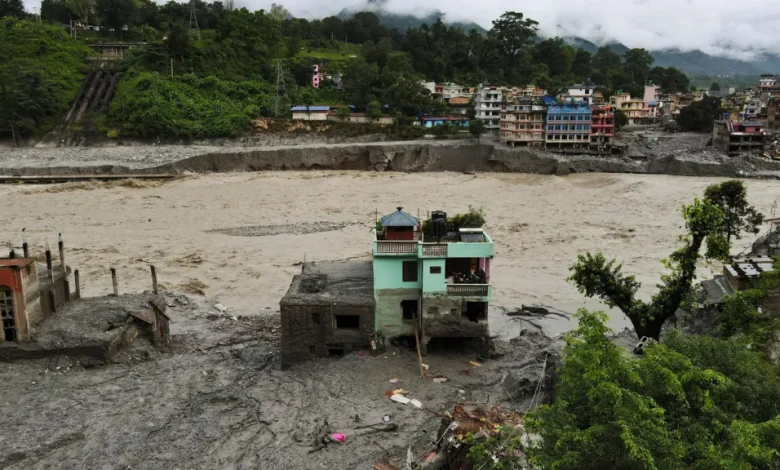
Nepal faces billions of dollars in reconstruction needs after devastating flash floods and a glacial collapse along its border with China left nearly 1,000 people dead and thousands missing, raising fresh concerns over the future of the Himalayan nation’s lucrative adventure tourism industry.
Authorities said Tuesday that the death toll from the disaster that began on August 26 had reached 987, while nearly 4,250 people remained missing.
The catastrophe struck villages along the Nepal-Tibet border after a massive glacial collapse in northern Nepal triggered a landslide of ice, rock and meltwater that surged into valleys, sweeping away communities and damaging roads, bridges and hydropower infrastructure.
The disaster has also complicated rescue efforts, with more than 600 workers believed to be trapped in mud-filled tunnels at hydropower sites along the Trishuli River.
Nepali Prime Minister Balendra Shah said 279 people had been rescued from the sites. Nepal’s army separately said 119 people had been rescued by air, although a British national initially listed among those rescued, Alastair Chambers, later told the Telegraph and PA Media that he had not been rescued and had travelled to the region to assist aid efforts.
The British government said 36 British nationals remained unaccounted for, up from 33 previously reported.
The devastation has cast a shadow over Nepal’s renowned mountaineering and adventure tourism sector, which draws visitors to the Himalayas and Mount Everest.
Rajendra Bahadur Lama, general secretary of the Nepal Mountaineering Association, described the disaster as a “serious warning” for the tourism industry.
“This disaster should not be seen as the end of Nepal’s adventure tourism; it should be a wake-up call,” Lama told CNBC, warning that climate change is reshaping the Himalayas.
He said Nepal must build a tourism industry that is “safer, smarter and climate-resilient”, as Prime Minister Shah called for stronger international action on climate change.
The disaster has highlighted the growing vulnerability of mountain communities, infrastructure and tourism to climate-related hazards.