Nairobi politician Dennis Waweru’s Faida Bank to earn Sh1billion from KPC IPO broker’s fee
The payout will go to Waweru’s bank in which he serves as a partner

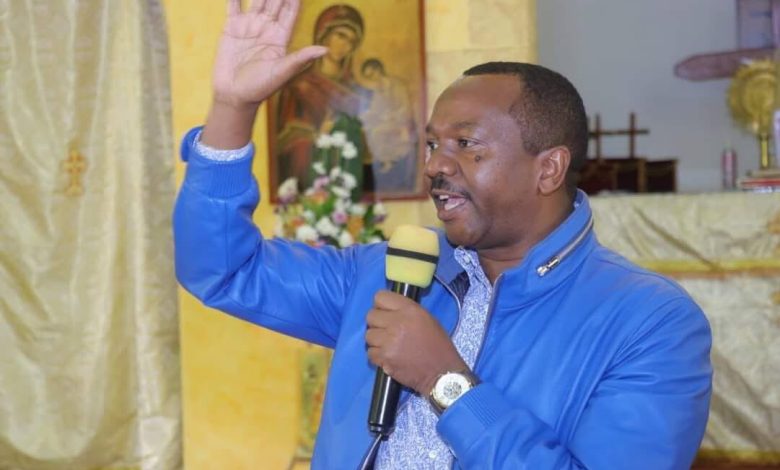
Nairobi politician Dennis Waweru’s owned Faida Investment Bank is set to earn a Sh1billion success fee after helping the government meet its target in the landmark initial public offering (IPO) of the Kenya Pipeline Company (KPC), one of the biggest share sales on the Nairobi bourse in recent years.
The payout will go to Waweru’s bank in which he serves as a partner and director.
Waweru is the former Dagoretti South MP and also former chairman of the Kenya Investment (InvestKenya) Authority.
Faida Investment Banks was founded in 1994 by Bob Karina who also serves as the chairman and served as the lead transaction advisor in the KPC share sale.
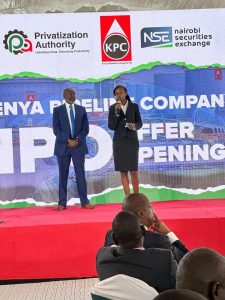
The bonus will be paid after the broker successfully delivered the minimum subscription threshold required for the IPO to proceed.
In addition to the Sh1 billion success fee, Faida Investment Bank will also receive Sh98.6 million for its advisory role in structuring and coordinating the transaction. The firm could further earn millions through placement fees, which are paid to brokers based on the value of shares they process during the offering.
The placement fees for the transaction are capped at 1.5 per cent of the total offer size, meaning the 22 stockbrokers and investment banks involved in selling the shares will collectively share up to Sh1.59 billion in commissions.
The IPO attracted significant attention in Kenya’s capital markets as the government sought to raise funds through partial privatisation of the pipeline operator. The offer, priced at Sh9 per share, was aimed at mobilising billions of shillings for infrastructure financing and reducing reliance on borrowing.
Despite the overall success of the offer, participation among certain categories of investors remained subdued. Foreign investors and retail buyers showed limited interest in the sale, while oil marketing companies—expected to be key strategic investors—largely stayed away.
Retail investors purchased shares worth Sh4.1 billion against an allocation of Sh21.2 billion, while foreign investors bought only Sh32.7 million worth of shares against a similar allocation target.
Oil marketing companies took up just Sh22.9 million, representing only 0.14 per cent of the shares reserved for them.
The IPO was instead largely supported by local institutional investors and regional buyers, including state-linked entities and pension funds, which stepped in to absorb shares left by other investor categories.
Their participation helped push the offer beyond the minimum threshold required for completion.
As the lead adviser, Faida Investment Bank played a central role in preparing the transaction, coordinating advisers and guiding the pricing strategy.
The firm also organised roadshows and investor meetings to market the offer to potential investors.
Government disclosures show the total cost of executing the IPO is expected to reach about Sh3 billion, covering legal, advisory, marketing and regulatory fees paid to various professionals involved in the transaction.