Kalonzo gives NPSC, TSC, KDF 7 days ultimatum to reveal 5-year recruitment records
Kalonzo wants the three institutions to disclose the number of people recruited during the period, the criteria used to select successful applicants and the regions from which the recruits were drawn.

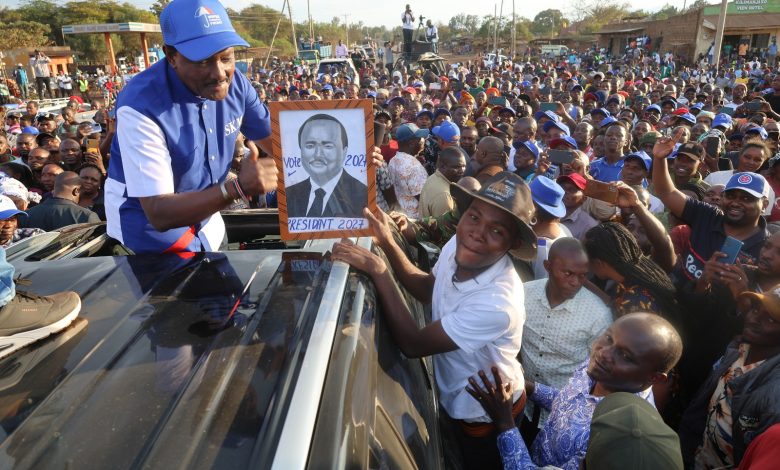
Wiper Party leader Kalonzo Musyoka has given the National Police Service Commission (NPSC), Teachers Service Commission (TSC) and Kenya Defence Forces (KDF) seven days to disclose detailed records of recruitments undertaken over the past five years, in a move that could expose alleged irregularities and political interference in the entry of Kenyans into public service.
Speaking yesterday Kalonzo during a meet the people tour in Njukini, Taita Taveta County, he demanded the three institutions to disclose the number of people recruited during the period, the criteria used to select successful applicants and the regions from which the recruits were drawn.
The former Vice President said the demand was prompted by growing allegations that recruitment into key public institutions was being influenced by political connections, patronage and voting patterns rather than merit, fair competition and regional balance.
Of particular concern, he said, were claims that Teachers Service Commission recruitment letters were being issued through State House, allegations he said could not simply be dismissed as political rhetoric.
Kalonzo cited recent remarks by National Assembly Speaker Moses Wetang’ula and Murang’a Woman Representative Betty Maina concerning the alleged interference in TSC recruitment, arguing that the claims required formal scrutiny.
“You cannot dismiss what National Assembly Speaker Moses Wetang’ula and Murang’a Woman Representative Betty Maina have said about TSC recruitment letters as just political noise,” Kalonzo said.
“When the Speaker of the National Assembly says something like this in public, it stops being gossip. It becomes a matter that this country must get to the bottom of.”
He said the controversy raised broader questions about the independence of public institutions and whether recruitment into strategic arms of government was being conducted transparently.
Kalonzo alleged that his party had received information for months suggesting that employment opportunities in public institutions were increasingly being determined by political connections instead of qualifications and merit.
“We have been getting information for months that recruitment into these institutions has stopped reflecting who we are as a country, and that where a job comes from now depends less on merit and more on who you know or who you voted for,” he said.
The Wiper leader invoked Article 232 of the Constitution, which establishes the values and principles governing public service. These include professional ethics, efficient and effective use of resources, responsive and equitable provision of services, involvement of the people, accountability and transparency, and fair competition and merit in appointments and promotions.
He said recruitment into the police service, teaching profession and military must therefore meet constitutional standards and should not be turned into a mechanism for rewarding political loyalty.
“These institutions belong to Kenyans. They are not a basket of favours to dish out to friends and reward loyalty,” Kalonzo said.
He said Wiper MPs and lawyers had been instructed to write formally to the NPSC, TSC and KDF within 48 hours seeking the information under Kenya’s access-to-information framework.
The requests will seek comprehensive recruitment data covering the last five years, including the identities or records of those recruited, the total numbers, the criteria applied during selection and the geographical distribution of successful applicants.
Kalonzo said the seven-day deadline would begin running once the respective institutions receive the formal requests.
“Seven days. That is what I am giving the National Police Service Commission, the Teachers Service Commission and the Kenya Defence Forces to come clean on who they have recruited over the last five years, how many, on what basis, and from where in this country,” he said.
The demand sets the stage for a potential legal battle if the institutions fail to provide the requested records.
Kalonzo warned that his team would move to court to compel disclosure, arguing that public institutions have a responsibility to account to Kenyans for decisions involving access to government employment.
“If they choose silence instead of answers, we will go to court and ask a judge to compel them to disclose what they are hiding,” he said.
He maintained that the initiative was not merely a political confrontation with the Kenya Kwanza administration but an accountability effort aimed at determining whether public recruitment is complying with constitutional requirements.
The Wiper leader said the records would help establish whether recruitment into some of the country’s most important public institutions has remained competitive, transparent and representative of Kenya’s diverse communities.
“Kenyans will get the truth about who is being hired into their institutions, and why, with or without State House’s cooperation,” Kalonzo said.