How an exclusive club of billionaires milk KQ dry through exorbitant aircrafts leasing deal
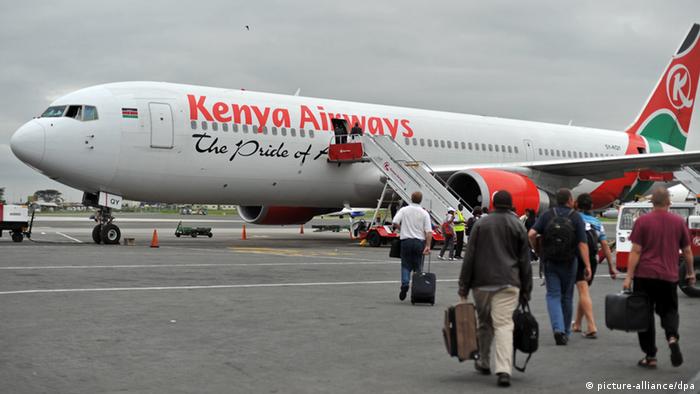
The national carrier and Pride of Kenya, Kenya Airways which has perennially made loses amounting to billions of shillings every year despite multiple bailouts by government using taxpayers’ is not likely to be out of the woods yet after it emerged bulk of their bulk is channeled towards leasing of privately owned aircrafts at exorbitant fees.
An exclusive club of billionaires have an assured loss-free making deal with a government establishment whose bills, largely registered as loses are footed by the exchequer.
Effectively, the firms leasing aircrafts enjoy a huge windfall for leasing deals raking in millions of dollars from Kenya Airways.
According to investigations by The Informer, after the lockdown in March 2020 occasioned by the Covid-19 pandemic outbreak, KQ suffered under capacity as fewer aircraft seats were available for increasing passenger traffic.
Recently, the carrier says it has saved Sh11 billion in the last financial year on aircraft ownership fees after changing the lease terms on its fleet from fixed costs to hourly rates.
KQ has a fleet of 36 aircraft out of which it owns 19 of these while it has leased 17 from the lessors including Nordic Aviation Capital and GECAS.
Embraer makes up the bulk of its fleet with 15 planes flying to 56 destinations worldwide, 46 of them in Africa.
The unfortunate development saw the increase in costs, cutbacks in capacity and a revision of business projections to adjust to the new market realities.
According to KQ Chief Executive Officer Allan Kilavuka, they returned some of the aircraft that they had leased such as the Boeing 737-700, which helped them to save at least 50 per cent of the cost in early termination.
KQ reached a deal with the lessors last year to only pay when they fly leased aircraft following the grounding of its services on the back of Covid-19, which saw planes remain idle.
According to the carrier, the new arrangement has seen the cost of maintaining its fleet drop from Sh28.5 billion in 2020 to Sh16.6 billion last year stating that the deal has saved the airline billions in leasing fees.
Kivaluka said the deal has seen the national carrier only pay the lessors when the aircraft is flying, a departure from the previous agreement where KQ would still pay the lease amount even if a plane is idle.
“Last year, we negotiated with our lessors and we were able to make very significant savings of over Sh10 billion,” he said.
The carrier has negotiated for a productivity-based method of payment with its lessors to avoid the fixed cost and cut expenses involved in fleet management at the time the airline is struggling with low passenger demand.
The carrier has also extended the lease of its two Boeing 777-300 aircraft to Turkish Airlines, a move that will earn it an extra income.
Last year, Kenya Airways leased two of its idle planes to a Congo carrier last year in a deal that will see KQ save more than Sh100 million annually on maintenance costs and earn additional revenue from hiring the crafts.
The national carrier has leased two Embraer jets that remained parked at the Jomo Kenyatta International Airport in Nairobi after it cut routes and frequencies on the back of low numbers of passengers in the last two years.
The carrier has been trying to cut costs to remain afloat amid the challenges of the Covid-19 pandemic and legacy problems.
It narrowed its net loss for the year ended December by 56.58 per cent on higher revenue as travel picked up with the easing of Covid-19 restrictions.
KQ, as the airline is known by its international code, previously borrowed from international financiers and nearly all of the country’s leading banks, including KCB and Equity.
However, the airline defaulted on the local lenders who now only maintain a revolving credit facility agreed with the company earlier as part of the restructure of their combined Sh17 billion worth of unsecured loans in 2017.
International lenders like JP Morgan and Citibank have secured their loans using the aircraft purchased by the company.
KQ’s liabilities outstripped assets by Sh73.85 billion as at end of June compared with Sh64.16 billion in June last year, keeping it technically insolvent.
Accumulated losses and revenue dip caused the company to breach the terms set by the global financiers, underlining the airline’s debt distress.
In May last year, KQ picked a UK consultancy firm, Steer Group, to craft a viable turnaround strategy option in the face of deepening financial losses and depressed passenger numbers.
The airline’s key routes, including London, India, and Guangzhou, had experienced travel restrictions, leading to depressed demand.
The airline posted a Sh11.49 billion net loss in the six months ended June, 2021 a 19.8 per cent cut from the Sh14.33 billion loss it incurred in the preceding similar period, taking its accumulated losses over the years to above Sh127 billion.
In recent years, Kenya Airways has received a series of government bailouts, and is reported to be seeking further government support due losses linked to COVID-19.