Ebola fight falters as DR Congo health workers strike over unpaid salaries

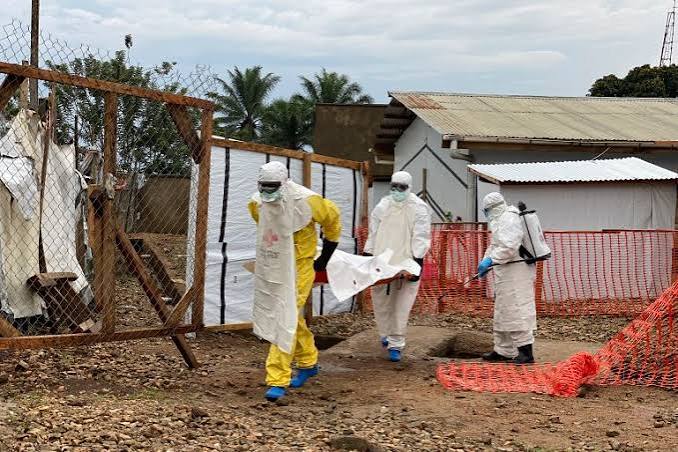
The Democratic Republic of the Congo’s (DRC) fight against Ebola has suffered a major setback after staff at a key treatment facility went on strike over unpaid salaries, even as health authorities confirmed the virus has spread to two additional provinces.
Dozens of employees at Rwampara General Hospital in Ituri Province—the epicentre of the latest Ebola outbreak—downed their tools on Monday, bringing operations at the facility to a standstill.
The striking workers include epidemiologists, case investigators, drivers and gravediggers, all of whom play critical roles in containing the highly infectious disease.
“We don’t know how it is possible to not have been paid for two months,” health worker Bahati Claude told The Associated Press, expressing frustration over delayed salaries.
The strike comes at a critical time as the DRC’s National Public Health Institute confirmed that Ebola has spread beyond Ituri to the northeastern provinces of Haut-Uele and Tshopo, raising fears that the outbreak could become even more difficult to contain.
The outbreak, concentrated in northern DRC, is the worst Ebola crisis in Africa’s history and has already inflicted a heavy economic toll. According to the United Nations, the epidemic has pushed nearly one million people into poverty as businesses, trade and livelihoods continue to be disrupted.
Containment efforts have been further complicated by persistent insecurity in the affected regions, where armed rebel groups control parts of the territory in pursuit of the area’s rich mineral resources. The violence has repeatedly disrupted surveillance, treatment and vaccination campaigns.
Health officials also continue to battle widespread misinformation and deep-rooted cultural practices that undermine disease control measures. Some communities have attacked health workers after falsely believing Ebola is linked to witchcraft, while many bereaved families have ignored public health guidelines by conducting traditional burial ceremonies that increase the risk of transmission.
Authorities warn that the combination of expanding infections, insecurity and disruptions to frontline health services could significantly hamper efforts to contain the outbreak unless urgent action is taken.