Delay over as older persons, PLWSDs start to receive Inua Jamii cash
Moturi apologises to beneficiaries for any inconvenience caused by the delay, which he attributed to a data cleanup exercise

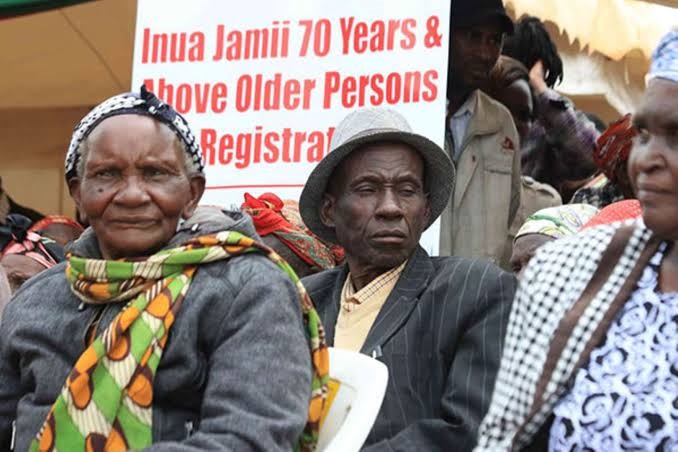
The ministry of Labour and Social Protection has released Sh4,607,668,000 for payment to 1,151,917 Older Persons and Persons Living With Severe Disabilities (PLWSDs) enrolled in the Inua Jamii Programme.
The disbursement covers stipends for both the June and July payment cycles with each beneficiary will receive Sh4,000, representing Sh2,000 per month for the two months beginning yesterday.
“The June cycle payment had been delayed due to a data cleanup exercise. The State Department apologises to beneficiaries for any inconvenience caused by the delay,” Social Protection and Senior Citizen Affairs Principal Secretary Joseph Motari said in a statement.
The Inua Jamii Cash Transfer Programme aims to alleviate poverty and promote the well-being of society’s most vulnerable members, including older persons aged 70 and above, orphans and vulnerable children, and persons with severe disability.
“In line with the government’s commitment to ensuring universal health coverage, the ministry encourages all Inua Jamii beneficiaries to register with the Social Health Authority (SHA) to access affordable and quality healthcare,” Motari added.
The June disbursement was made on June 7 when the ministry released Sh3,519,313,000 for the programme, which also covers orphans and vulnerable children.
A total of 1,759,656 persons are registered under the Inua Jamii programme. It is not clear, however, why orphans and vulnerable children were not covered in the June and July cycle.
President William Ruto recently assented to the Social Protection Bill, 2025, which will change the framework for providing support for vulnerable Kenyans by repealing the Social Assistance Act under which Inua Jamii programme was being administered.
Under the new law, National Board for Social Protection will be created to coordinate non-contributory social protection programmes in the country.
It also creates a comprehensive legal framework to guide the implementation of social protection programmes that support vulnerable individuals and households; cushions persons in need against risks and contingencies; builds human capital capabilities and resilience of persons in need; and promotes the well-being of persons in need.