KSB suspends sugar milling for three months over sugarcane maturity crisis
The board raised concern that limited cane development in the region has left factories competing for immature crops

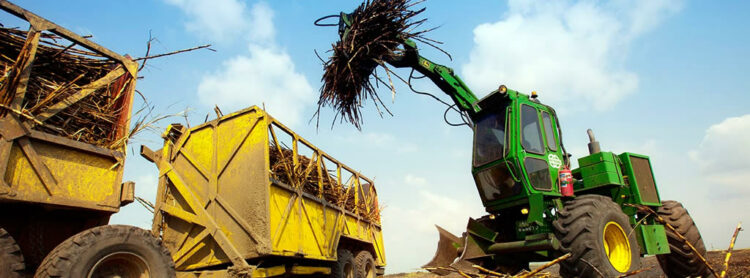
Milling of Sugar by factories in the Western Kenya region is set to be halted for the next three months, beginning Monday after the Kenya Sugar Board ordered seven factories to suspend operations over a shortage of mature sugarcane.
In a notice to Mumias, Butali, and West Kenya in Kakamega County, Nzoia and Naitiri in Bungoma, as well as Busia Sugar Industry and Olepito in Busia County, KSB acting chief executive Jude Chesire said the decision followed a consultative meeting, where stakeholders confirmed that both lower and upper western sugarcane zones lacked enough mature cane to sustain milling.
“During the most recent meeting, it was established that both the lower and upper western sugarcane catchment areas had a severe shortage of mature cane. It was, therefore, resolved that milling operations in the western region be temporarily stopped to allow cane to mature,” Chesire announced.
The board raised concern that limited cane development in the region has left factories competing for immature crops, which not only deliver low sugar yields but also cause farmers to suffer financial losses.
“This has led to the harvesting and subsequent milling of immature sugarcane. Consequently, farmers are incurring losses due to lower yields associated with immature harvesting,” Chesire said.
Cane harvesting before maturity has become increasingly common, with factories crushing crops as young as 10 months old, well below the standard 16 to 18 months required for optimum sucrose levels.
The regulator linked this trend to aggressive cane poaching by millers, each struggling to meet their daily crushing capacity in the face of dwindling crop supply.
The temporary closure, the board says, will give the crop time to reach the desired maturity and help stabilise the sector, which has been rocked by poor planning and strained supply chains.
Millers are expected to remain closed until mid-October, when a fresh review will be conducted based on crop development progress across the region.