BBC denies faking Mai Mahiu child sexual exploitation expose
British broadcaster says none of the contributors featured in the film were paid, offered payment, or 'coached' in any way

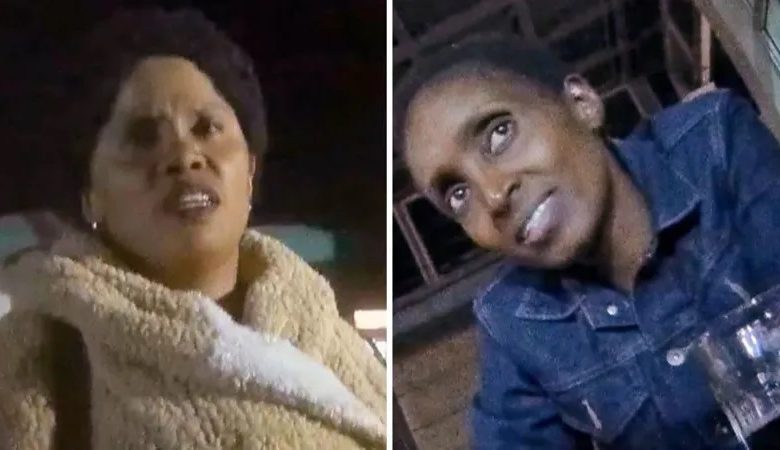
The British Broadcasting Corporation (BBC) has denied fabricating documentary on child sexual exploitation in Mai Mahiu, Nakuru County, as claimed by Interior Cabinet Secretary Kipchumba Murkomen.
In a statement issued on Thursday, the BBC said the detailed investigative piece was an important piece of public journalism that documented the sexual exploitation of Kenyan children and dismissed those questioned the legitimacy of the contributors featured in the documentary.
The British broadcaster also faulted law enforcement agencies for examining the sources without representation.
“We note with concern that following the broadcast of the film, survivors of childhood sexual abuse who contributed to the film were interviewed at length by investigators from the Kenya Directorate of Criminal Investigations without the presence of legal representation,” BBC stated.
The broadcaster clarified that the nature of the investigation, adding that none of the contributors featured in the film were paid, offered payment, or ‘coached’ in any way.
“As clearly stated in the film, the survivors of abuse who were interviewed were all over 18 and recounted experiences of abuse that occurred when they were underage. We are thankful to the survivors for their brave contributions,” the BBC clarified.
It also revealed that it cooperated with the relevant authorities from the start to the end of the documentary.
“We handed the evidence gathered during the investigation to the Kenyan police in March this year, in which perpetrators of crimes against children were identified, as were the victims who needed urgent assistance,” it said.
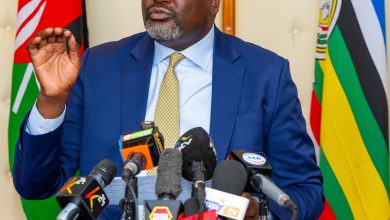
On Wednesday, Murkomen claimed that the broadcaster fabricated the documentary, calling it a hoax.
He claiming that investigations indicate those featured are not minors, terming the expose, which went viral on social media as misleading.
“We are confirming that the entire report (BBC documentary) was fake because the people who were interviewed are not underage. That is why I went the whole length to read their pseudo names, who they are, and what they do, and what was the motivating factor when they were posing as children,” he stated.
Speaking when he appeared before the National Assembly plenary, Murkomen insisted the documentary was deliberately staged to create a false impression of rampant sexual abuse of minors in the area.
“As far as the BBC documentary is concerned, it was a hoax. It was planned and executed in a manner to portray that there were underage girls who were going through sexual exploitation, while in reality the people [acting] knew that they were not,” he added.
According to the former Elgeyo Marakwet Senator, though cases of sexual exploitation involving young people do exist, security agencies, including the anti-trafficking unit, have done tremendous work to make sure that these incidents are managed.
“That is not to say that there may be no cases of sexual exploitation of young people in the country. The security agencies, including the anti-trafficking unit, have done tremendous work to make sure that these incidents are managed,” he said.
In the investigative piece by the BBC, it was revealed how minors in the busy Mai Mahiu town are sexually exploited, sparking intense public outrage and prompting action from authorities, including the National Police Service (NPS).
The NPS acknowledged the severity of the revelations and assured the public that law enforcement agencies are addressing the situation.
On August 7, the Director of Public Prosecutions Renson Ingonga directed the Directorate of Criminal Investigations (DCI) to immediately undertake a thorough and comprehensive investigation and submit the resulting investigation file to his office within seven days for review and appropriate prosecutorial action.
He said the allegations pointed to serious violations of children’s rights and may amount to grave criminal offences under Kenyan law.