Iran’s precision strikes cripple Gulf infrastructure, threaten global economy

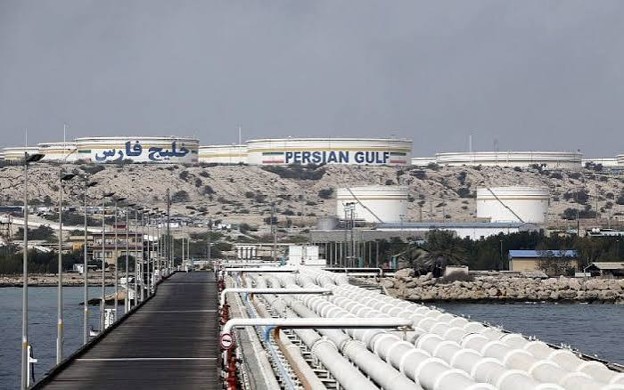
Iran and its regional allies have launched at least 135 drone and missile attacks against 84 infrastructure sites across the Gulf since the United States and Israel began bombing Iran on February 28, exposing vulnerabilities in critical energy and transport networks, a Reuters investigation has found.
The attacks have targeted essential oil-routing systems, liquefied natural gas facilities, airports and pipeline infrastructure in Saudi Arabia, the United Arab Emirates, Iraq, Qatar, Kuwait, Oman and Bahrain, causing equipment failures, operational disruptions and economic losses.
According to the investigation, the strikes have demonstrated Iran’s ability to inflict significant damage on strategically important infrastructure despite facing a militarily superior United States.
In the UAE, Iranian attacks targeted oil-routing facilities at Fujairah, a major port outside the Strait of Hormuz, disrupting operations for weeks.
In Qatar, strikes hit two cold boxes at the Ras Laffan liquefied natural gas facility. The equipment houses cooling systems essential for converting natural gas into liquid form for storage and transportation.
Airports across at least four Gulf countries have also been targeted, with one Saudi Arabian airport struck on four separate days within a single week this month.
Saudi Arabia’s oil infrastructure suffered further damage when attacks destroyed one pumping station and damaged two others along a major pipeline, weakening an alternative route for transporting oil around the Strait of Hormuz.
Governments across the region have announced infrastructure attacks during the conflict, but Reuters found that many strikes were directed at highly specific components whose failure can disrupt entire facilities.
Some targets are concealed beneath rooftops and protective structures, making them difficult to identify through satellite imagery. Others are small components whose strategic importance requires specialised technical knowledge.
The campaign has spread insecurity across the Gulf, disrupted critical infrastructure and contributed to soaring oil prices.
Combined with Iran’s blockade of the Strait of Hormuz, the attacks have created an additional threat to global energy supplies and international trade.
The ability to strike strategically important facilities has also strengthened Tehran’s leverage in negotiations with Washington, despite sustained American military pressure.
The findings highlight how precision attacks against relatively small but essential components can trigger widespread operational and economic consequences across interconnected energy networks, making infrastructure protection a central challenge for Gulf governments.