Big win for women and local industry as Sofy Unicharm starts operations in Kenya
The Sh2 billion joint venture between Unicharm Corporation, Toyota Tsusho Corporation and CFAO Kenya Limited combines Unicharm’s global expertise in personal hygiene and innovation with strong local market knowledge and capabilities.

By John Oyuke
Sofy Unicharm East Africa Limited has officially launched in Kenya, marking a new chapter in the company’s commitment to improving access to quality and affordable personal hygiene products to empower women across East Africa.
The Sh2 billion joint venture between Unicharm Corporation, Toyota Tsusho Corporation and CFAO Kenya Limited combines Unicharm’s global expertise in personal hygiene and innovation with strong local market knowledge and capabilities.
It will integrate product development, production, sales and marketing in Kenya, with plans to expand the supply and export of sanitary products to neighbouring East African markets.
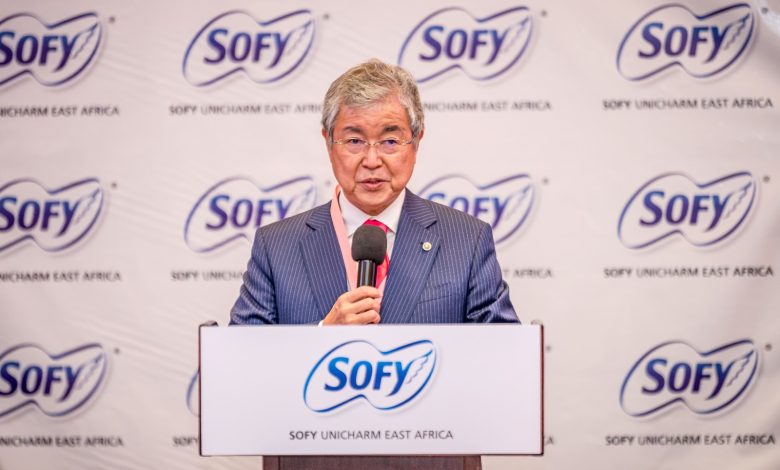
According to Takahisa Takahara, President and CEO of Unicharm Corporation, the joint venture underscores the partners’ commitment to driving regional growth, strengthening local manufacturing capabilities and contributing to the economic development of East Africa.
“Sofy Unicharm East Africa is the first Unicharm local subsidiary to proudly feature “SOFY” in its corporate name. To us, SOFY is far more than just a product brand,” he said during the launch.
“By elevating SOFY into our company name, we are declaring our strong commitment to standing beside women in East Africa, understanding their needs, supporting their possibilities, and growing together with them. This also marks the beginning of a long-term journey.”
Takahara said the aim to evolve into a company that supports lifetime value in East Africa in the future, adding: “We look forward to applying the knowledge and technologies Unicharm has cultivated globally—including baby care such as baby diapers—tailored to the needs of this region.”
Sofy Unicharm East Africa, Managing Director Daigo Fujiwara said the firm was established with a clear commitment to improving quality of life across East Africa by addressing hygiene challenges and supporting the health and dignity of women.
“By providing reliable feminine care solutions, promoting better hygiene habits and addressing period poverty, we aim to empower women to live with greater confidence and participate fully in society. Together with our partners and local communities, we will continue to innovate and contribute to a more inclusive and sustainable future for the region,” he said.
The SOFY brand entered the Kenyan market in 2023 with the premium SOFY Deep Absorb product. In January 2025, the company introduced locally produced SOFY Long Lasting, an affordable option designed to respond to the needs and purchasing realities of Kenyan consumers.
According to Fujiwara as part of the SOFY brand’s empowerment drive, the company has invested heavily in menstrual health education in schools and communities and has partnered with various organisations on menstrual hygiene awareness and educational initiatives.
He said the company’s efforts also align with Kenya’s broader initiatives to improve menstrual hygiene management, as approximately 54 per cent of girls in Kenya have experienced challenges accessing sanitary products.
Speaking during the launch of the Japanese-backed sanitary products venture Cabinet Secretary for Investments, Trade and Industry Lee Kinyanjui, noted that the move towards local production of the products reflects an effort to offer reliable quality at an affordable price, informed by the needs and feedback of Kenyan consumers.
He said the event that drew government leaders, diplomatic representatives and senior corporate executives, that bringing production closer to consumers can strengthen supply reliability and support a business model suited to the local market which is central to the ministry.

“We welcome this investment as an opportunity to deepen manufacturing in Kenya and progressively increase the local content of the products made here. Hygiene products support a wider value chain that includes industrial inputs, packaging, distribution, maintenance and other business services,” Kinyanjui noted.