Nairobi, Mombasa flagged among 25 counties as high-risk for Ebola amid regional outbreak

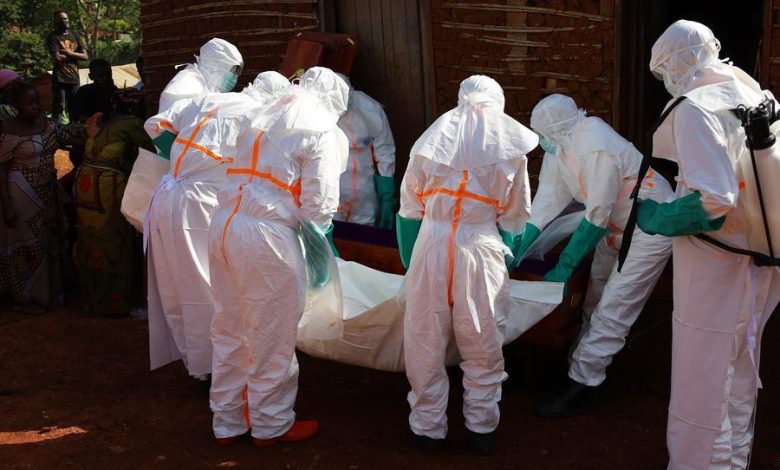
The Ministry of Health has identified 25 counties among them Nairobi and Mombasa as either very high-risk or high-risk for potential Ebola exposure as Kenya intensifies surveillance and preparedness measures in response to ongoing outbreaks in neighbouring Uganda and the Democratic Republic of Congo (DRC).
Other counties classified as very high-risk include Uasin Gishu, Busia, Kisumu, Bungoma, Trans Nzoia, Siaya, West Pokot, Turkana, Homa Bay and Migori. Those listed under the high-risk category are Vihiga, Kakamega, Nakuru, Kericho, Nandi, Kiambu, Machakos, Kilifi, Makueni, Taita Taveta, Isiolo, Elgeyo Marakwet and Garissa.
Speaking during a preparedness meeting at Afya House on Tuesday, June 2, 2026, Public Health and Professional Standards Principal Secretary Mary Muthoni said Kenya remains Ebola-free but is maintaining heightened vigilance across all points of entry to prevent the virus from crossing into the country.
Muthoni said the government has placed 10 neighbouring countries under close monitoring and activated emergency response systems in counties considered most vulnerable to the disease due to their proximity to borders and high volumes of cross-border movement.
“At all border points, including the country’s airports, surveillance and screening have been enhanced,” Muthoni said.
According to the ministry, more than 1,000 healthcare workers have already undergone specialised training to identify, isolate and manage suspected Ebola cases. Emergency Operations Centres have also been activated in 26 counties to coordinate rapid response efforts should an outbreak occur.
The government reported that 13,548 travellers were screened at various entry points within the last 24 hours alone, bringing the cumulative number of screened travellers to approximately 67,000.
As part of additional containment measures under consideration, the government is exploring the possibility of introducing a mandatory 21-day quarantine period for travellers arriving from countries classified as high-risk for Ebola transmission.
Authorities are also planning to require travellers entering Kenya to present certified exit surveillance reports from their countries of origin.
The reports would detail health screening outcomes and would need to be shared with airlines and public transport operators facilitating cross-border travel.
The Ministry of Health has further advised Kenyans to avoid non-essential travel to countries currently experiencing Ebola outbreaks until the situation is brought under control.
The heightened alert follows a worsening Ebola situation in the DRC, where health authorities have reported more than 1,000 suspected cases and nearly 250 deaths since the outbreak was declared on May 15. Uganda has also confirmed several infections, including at least one fatality.
President William Ruto has repeatedly assured the public that Kenya has adequate systems in place to detect and contain any Ebola cases that may be imported into the country.
However, the government’s preparedness strategy has drawn criticism in recent weeks following the approval of a U.S.-backed Ebola quarantine facility at the Laikipia Air Base in Nanyuki.
The project has sparked opposition from sections of local residents and leaders, although the government maintains a hardline stance that the facility is part of a broader national and regional disease surveillance and emergency response framework.