West Pokot gold mine collapse kills 15, rescue efforts ongoing

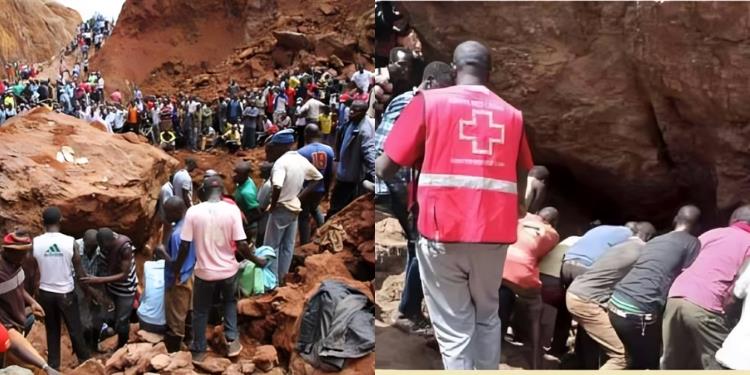
The death toll from the collapse of an artisanal gold mine at Rumos Hills in West Pokot County has risen to 15, with authorities confirming that most of the victims were women, as rescue operations continue amid fears that more miners could still be trapped underground.
The incident occurred while residents were engaged in informal gold mining when a large rock reportedly gave way and triggered the collapse of the site, burying several miners alive.
Officials at the scene said rescue teams have continued to hear faint sounds from beneath the rubble hours after the collapse, raising cautious hope that some survivors may still be found.
“We are continuing with the rescue operations. A stone fell on the section they were working on before collapsing the mine, leaving them trapped,” said Lopokoch Chief Isaac Lomwai.
The Kenya Red Cross confirmed that at least six people had been rescued alive and rushed to hospital for treatment, while more than a dozen others were injured in the incident. Three of the injured are reported to be in critical condition and were referred to Kapenguria Referral Hospital for specialised care.
Emergency response efforts have brought together Kenya Red Cross personnel, police officers, local administrators and community members, all working through unstable debris in a race against time to locate any remaining survivors.
Doctors at Kapenguria Referral Hospital said they had received several victims from the scene, some with severe injuries requiring urgent surgical intervention.
“We have received about six patients, and two of them have serious injuries and have been taken for surgery. We are closely monitoring them and providing the necessary medical assistance,” said Dr. Caren Cheyech.
The tragedy has sent shockwaves through the region, coming just days after West Pokot Governor Simon Kachapin raised concerns over the increasing number of illegal and unsafe mining activities in the county, warning that lax regulation was exposing residents to deadly risks.